Goal
Harvest mechanical energy from ambient motions and convert it into usable electrical power.
Problem
Need for clean, reliable, scalable energy sources that can capture ubiquitous mechanical motions (human movement, wind, water) without reliance on fossil or nuclear fuels; existing harvesters (piezoelectric, magnetic induction) have limited power density.
Concept Summary
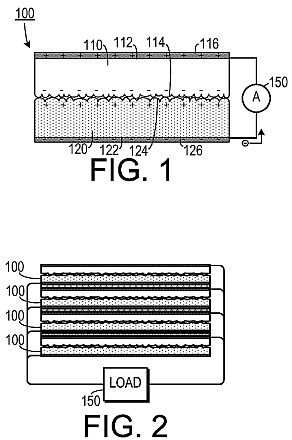
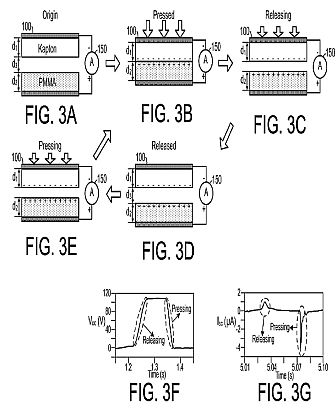
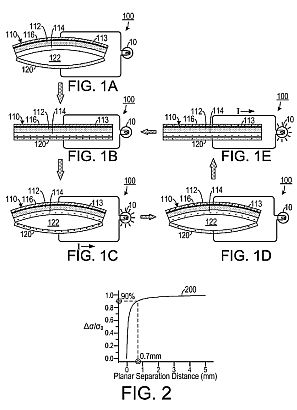
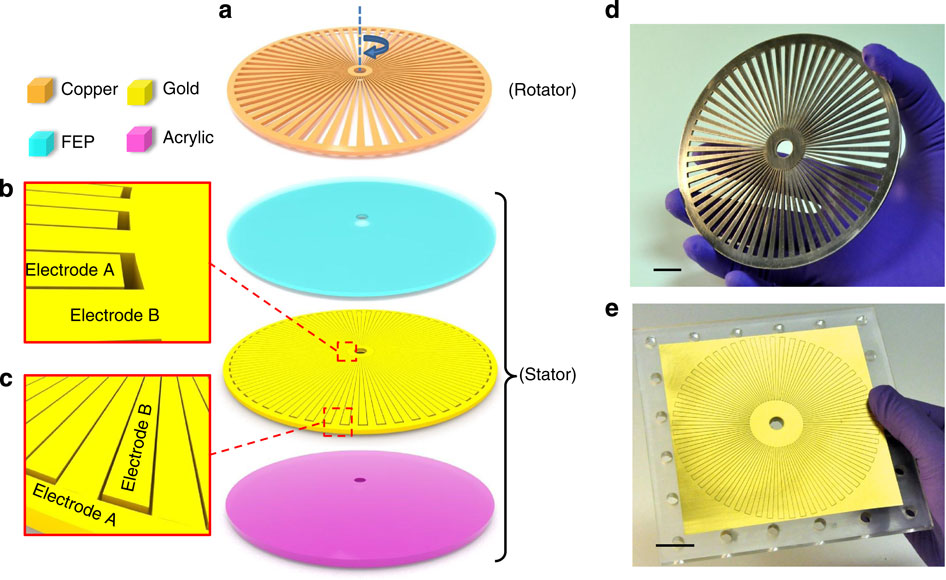
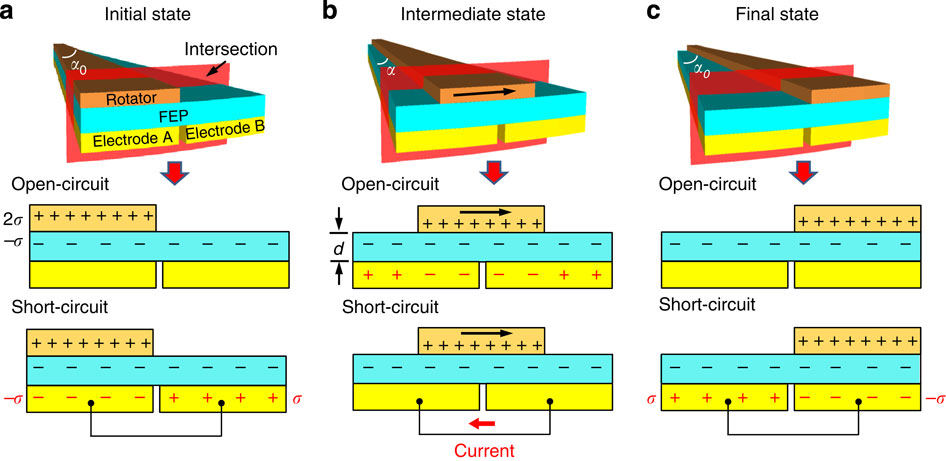
A rotary triboelectric generator uses two concentric discs coated with materials of opposite triboelectric polarity. Rotational motion brings the surfaces into periodic contact and separation, causing charge transfer (triboelectric effect). An intermediate electrode bridges the gap, allowing the generated charge to flow as a DC current. Laboratory prototypes achieved 1.5 W at 3000 rpm with ~24 % conversion efficiency, demonstrating a pathway to scalable mechanical-to-electrical energy harvesting.
Detailed Description
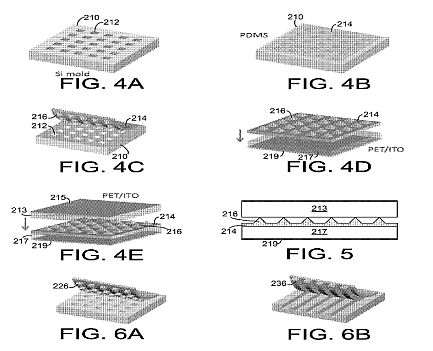
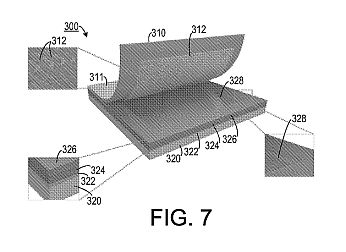
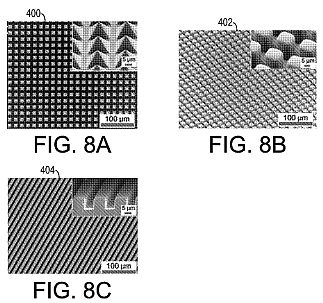
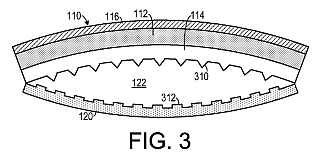
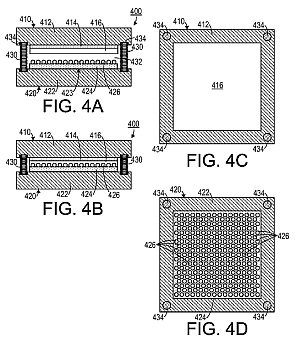
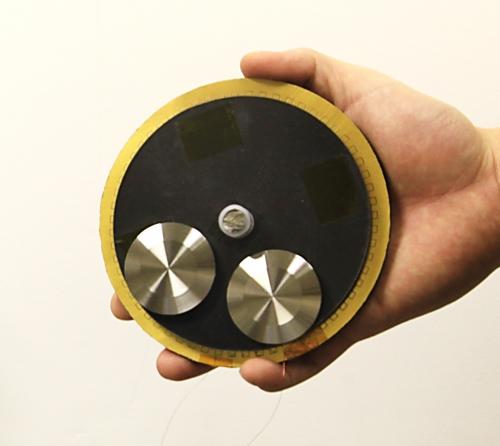
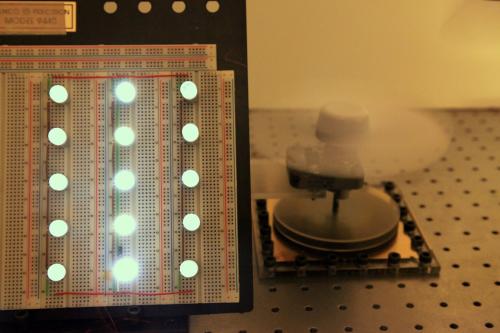
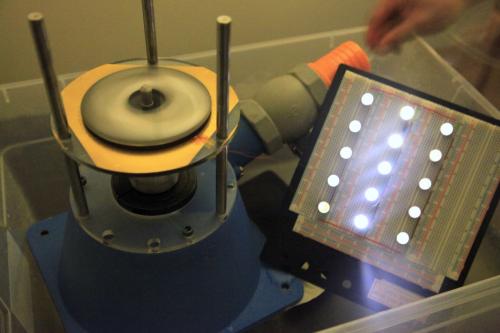
The prototype consists of a 10 cm disc rotor made of copper, with a third disc bearing electrodes sandwiched between two circular sheets: one donor (electron-gain) and one receiver (electron-loss) material. When the rotor spins, the sheets repeatedly contact and separate, creating a periodic electrostatic charge that is collected by the electrodes. The device can be driven by wind, water flow, or human motion. Materials such as gold for electrodes were used in the lab but can be replaced with lower-cost synthetics. The authors claim the design can be scaled for larger-scale power generation, including ocean-wave harvesting.
Principles
- Contact electrification (triboelectric effect)
- Rotational motion conversion
- Electrostatic induction
Scientific Domains
Materials
- Copper
- Gold
- Polymer (electron donor material)
- Polymer (electron receiver material)
Mechanisms of Action
- Friction-induced charge transfer between dis materials
- Periodic contact and separation driven by rotation
- Charge collection via conductive electrodes
Energy Sources
Applications
- Self-powered wearable electronics
- Remote environmental sensors
- Portable chargers for mobile devices
- Ocean wave energy harvesting
Claimed Performance
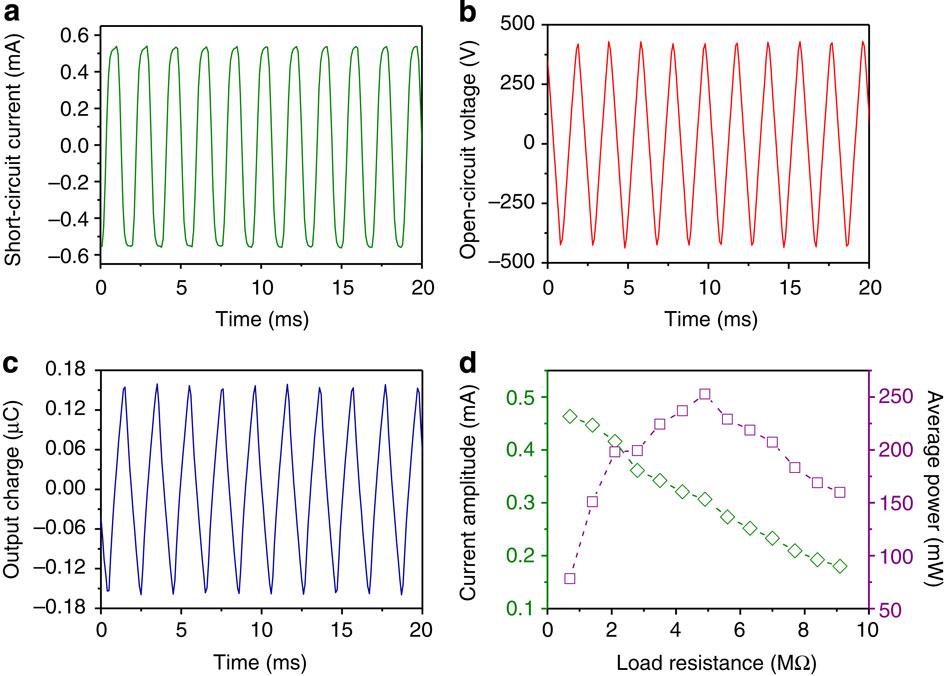
1.5 W output at 3000 rpm, 24 % conversion efficiency, area power density 19 mW cm^-^2.
Experimental Evidence
Laboratory prototype generated 1.5 W at 3000 rpm with 24 % efficiency as reported in Nature Communications (2014) and the US patent US2014084748.
Replication Status
Prototype demonstrated in laboratory; no independent replication reported.
Limitations
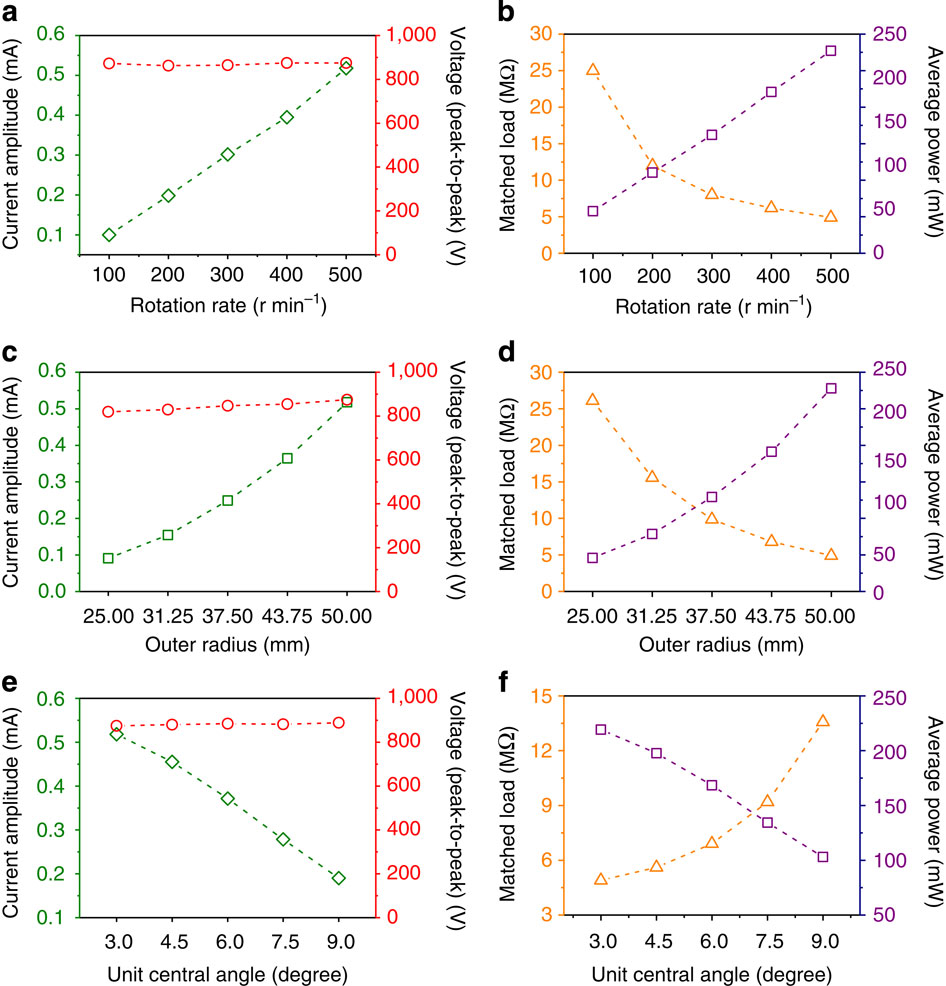
- Performance depends on amplitude and frequency of mechanical motion
- Gold electrodes increase cost; alternative low-cost conductors needed
- Scaling to high-power installations not yet demonstrated
Red Flags
- Potential overstatement of scalability without field data