Goal
Increase fuel economy, boost engine torque, reduce emissions, and lower required octane rating.
Problem
Incomplete vaporization of gasoline in carburetors creates large droplets that burn poorly, causing lower efficiency, higher emissions, and the need for high-octane fuels.
Concept Summary
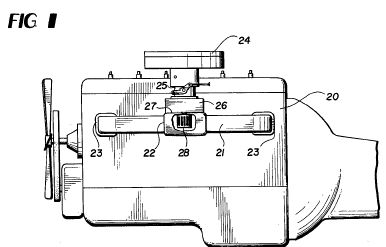
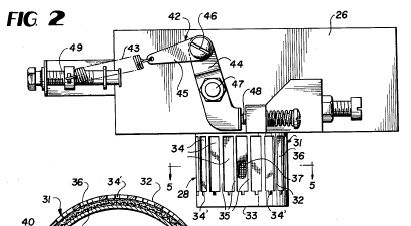
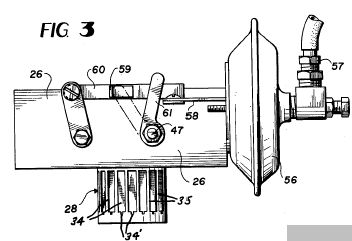
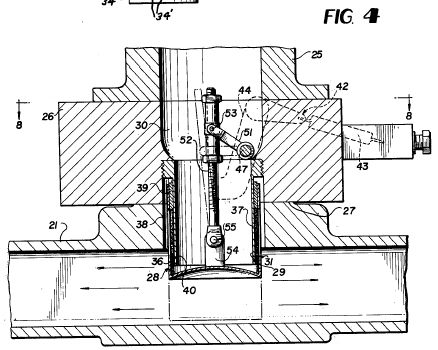
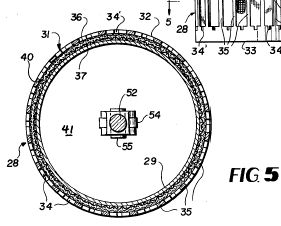
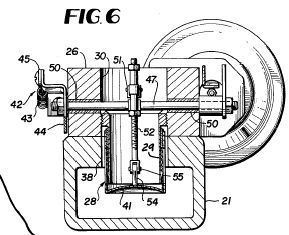
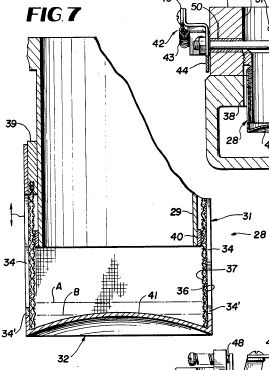
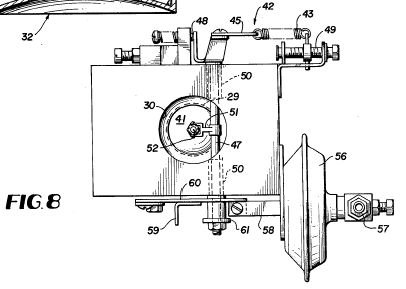
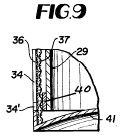
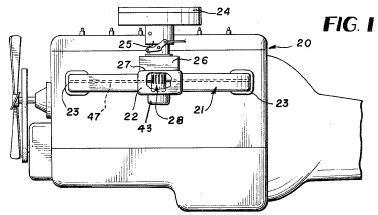
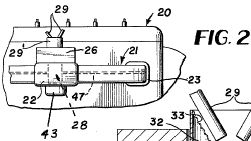
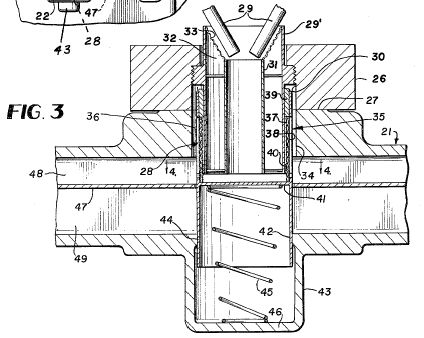
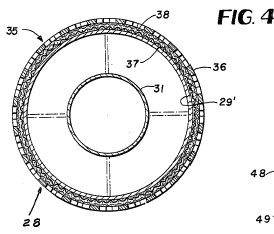
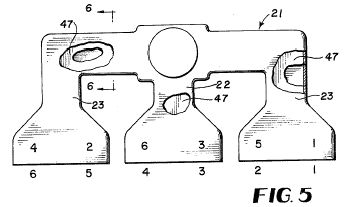
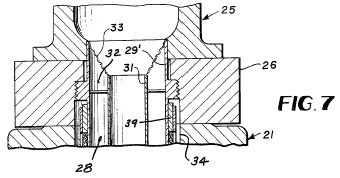
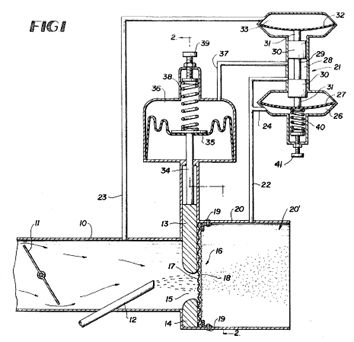
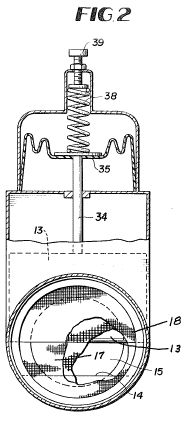
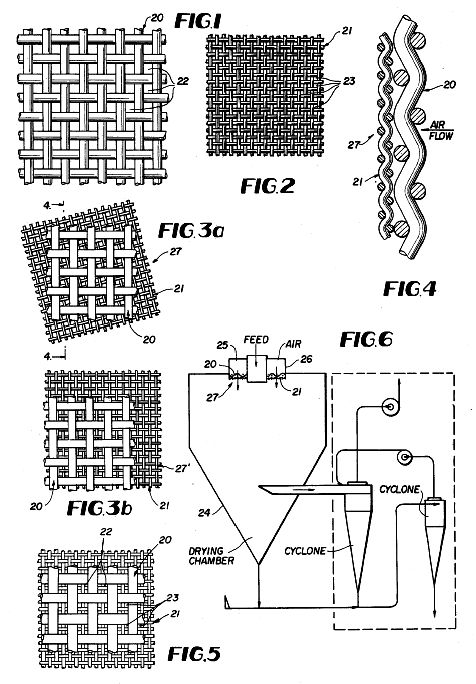
A valve mounted beneath the carburetor draws the fuel-air mixture, accelerates it against a concave shield, and forces it through a sandwich of two stainless-steel screens. The high-velocity impact and vibration of the screens atomize the mixture into a fine mist, producing a uniform fuel-air charge that burns more completely.
Detailed Description
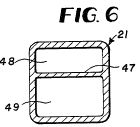
The core of the device is a stainless-steel cylinder containing two bonded wire-mesh screens separated by a small gap. A concave metal shield upstream creates turbulence and accelerates the mixture. As the mixture strikes the screens, the vibration pattern pulverizes droplets, turning the flow into an invisible mist. The valve is self-regulating by engine demand and can be installed below the carburetor in the intake manifold. Prototypes cost under $100 to manufacture. Chrysler licensed the valve in the 1980s, and testing was performed with GTE, Ethyl, and the Congressional Research Service.
Principles
- Turbulence
- Differential vaporization
- Screen-induced vibration
- High-velocity impact atomization
- Fluid dynamics
Scientific Domains
Materials
- Stainless-steel screens
- Stainless-steel cylinder
- Concave metal shield
Mechanisms of Action
- Atomization of fuel droplets via high-speed impact on screens
- Vibration-induced pulverization of liquid droplets
- Creation of a uniform mist for improved combustion
Energy Sources
Applications
- Automotive fuel-economy improvement
- Emission-control for gasoline and methanol engines
- Reduction of octane-fuel additives
- Potential retrofit for carbureted vehicles
Claimed Performance
Fuel consumption reduced by up to 20 %; torque increase 13-40 %; CO emissions cut ~50 %; HC emissions reduced up to 23 %; octane requirement lowered 10-15 points; overall fuel-economy gain 6-20 %; power boost 13-40 %; NOx and CO reductions reported.
Experimental Evidence
Congressional Research Service report (unpublished) citing private tests; GTE and Bank of America joint testing on a methanol-fueled Chevrolet Citation; Ethyl Inc. tests; demonstration to 15 major U.S. auto and oil companies (August 1980); Chrysler technical aid and equipment provided for further testing.
Replication Status
Licensed by Chrysler and tested in controlled laboratory settings (GTE, Ethyl, CRS); no widespread commercial deployment reported.
Limitations
- Designed for carbureted engines; applicability to modern fuel-injection systems unclear
- Long-term durability of stainless-steel screens not independently verified
- Performance claims based on limited private testing
- Installation requires modification of intake manifold
Red Flags
- Claims of industry suppression without independent verification
- Lack of peer-reviewed data or third-party replication
- Reliance on anecdotal reports and unpublished CRS documents