Goal
Increase the efficiency and yield of biofuel production by using concentrated solar thermal energy to gasify biomass into syngas.
Problem
Conventional biomass gasification relies on fossil-fuel electricity for heat, incurs significant energy loss, and produces tar that requires costly cleaning.
Concept Summary
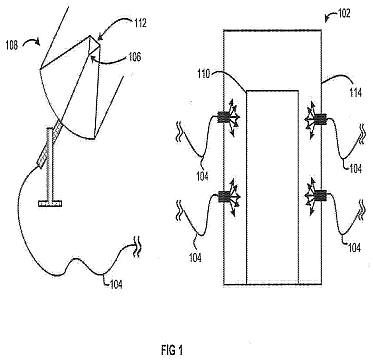
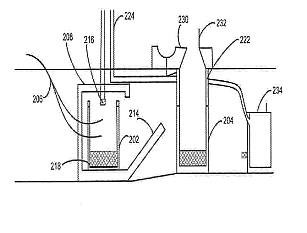
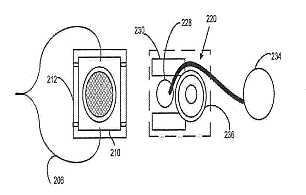
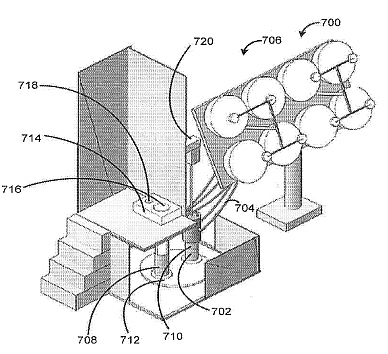
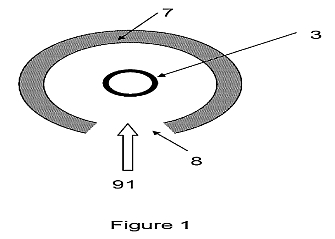
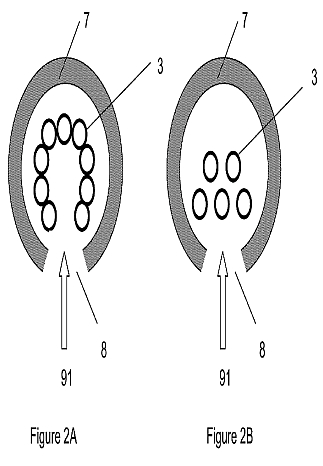
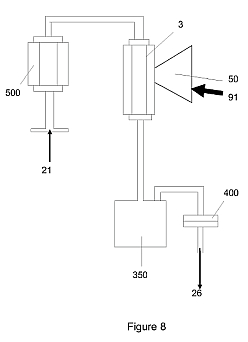
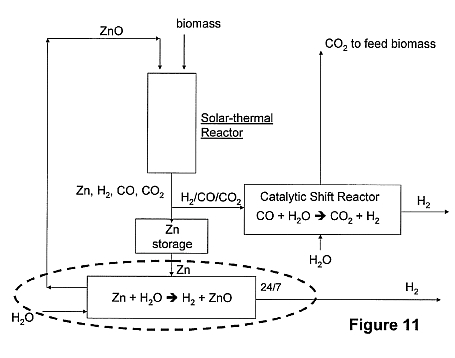
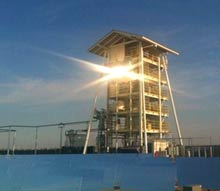
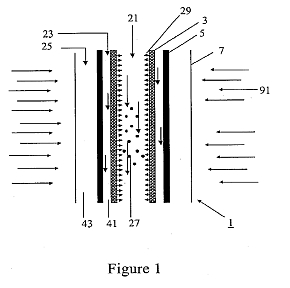
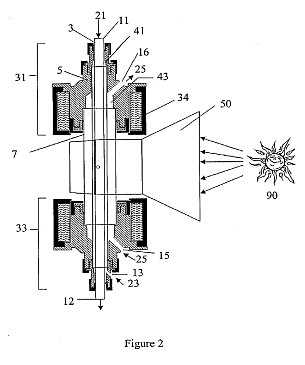
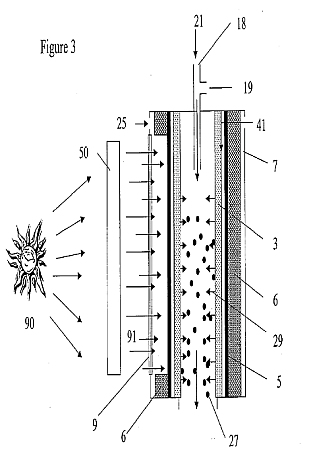
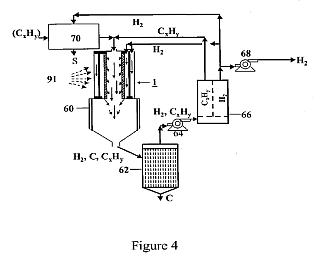
A solar-thermal reactor system uses a heliostat and a high-flux solar furnace to concentrate sunlight onto a reaction tube, rapidly heating biomass (with steam) to >1,200 deg C for a few seconds. This rapid pyrolysis/gasification yields >90 % conversion to syngas with minimal tar formation, eliminating the need for downstream cleaning and reducing overall energy consumption.
Principles
- Concentrated solar heating
- Rapid high-temperature pyrolysis
- Steam-assisted gasification
- Syngas production
Scientific Domains
Materials
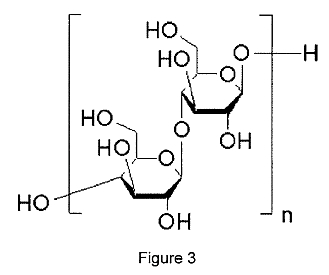
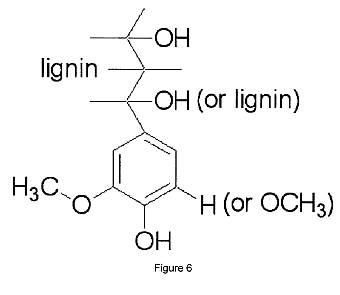
- Biomass feedstock (grass, sorghum, lignin, sawdust, municipal waste, algae, etc.)
- Graphite reactor tube
- Heliostat mirrors
- Hexagonal curved mirrors (concentrator)
- Inert carrier gases (optional)
Mechanisms of Action
- Solar flux concentration via heliostat and mirrored concentrator
- Indirect heating of a graphite reactor tube
- Short-duration, high-temperature exposure of biomass
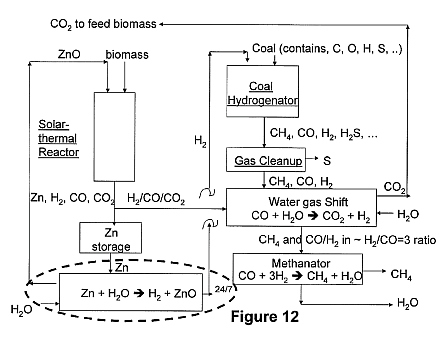
- Steam reaction to shift product distribution toward H_2 and CO
Energy Sources
Applications
- Renewable biofuel production
- Carbon-neutral or carbon-negative fuel synthesis
- Waste-to-energy conversion
Claimed Performance
~30 %+ improved overall biofuel production efficiency; >90 % conversion of biomass to syngas; elimination of tar cleaning step.
Experimental Evidence
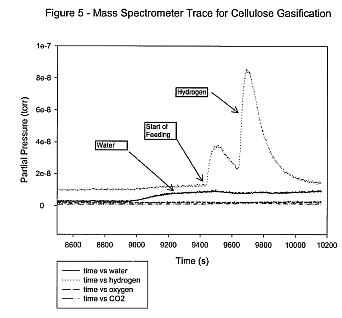
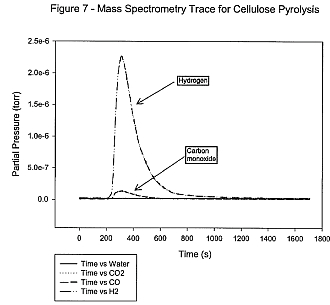
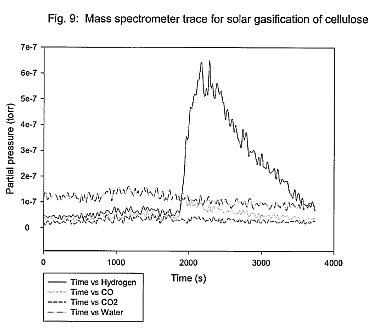
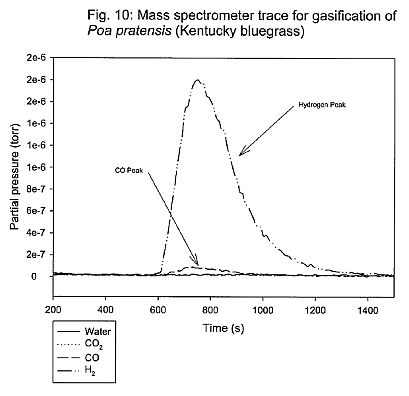
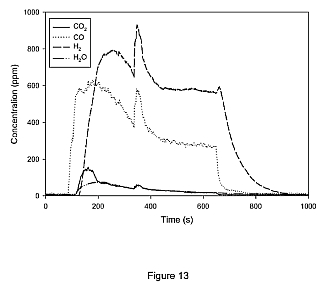
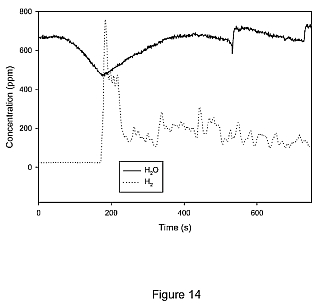
Laboratory tests with electrically heated transport-tube reactors showed rapid heating at ~1,200 deg C produced >90 % syngas conversion. On-sun demonstrations at the NREL high-flux solar furnace confirmed similar performance under concentrated sunlight.
Replication Status
Demonstration stage; on-sun experiments performed, but not yet commercialized.
Limitations
- Dependence on high solar flux and clear sky conditions
- Materials must withstand >1,200 deg C temperatures
- Scale-up of solar-thermal reactors remains a challenge
- Feedstock variability may affect process consistency