Goal
Generate electricity directly from magnetic fields, providing a new energy source that can exceed the input power.
Problem
Reliance on fossil-fuel based energy and the associated pollution; need for a high-efficiency, low-emission power source.
Concept Summary
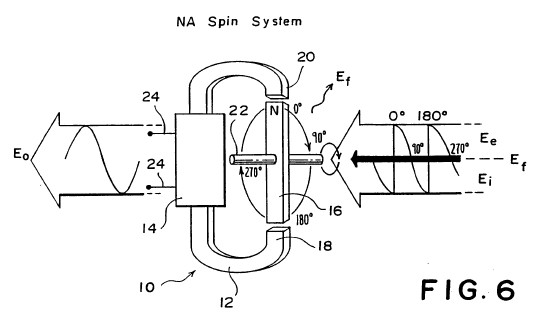
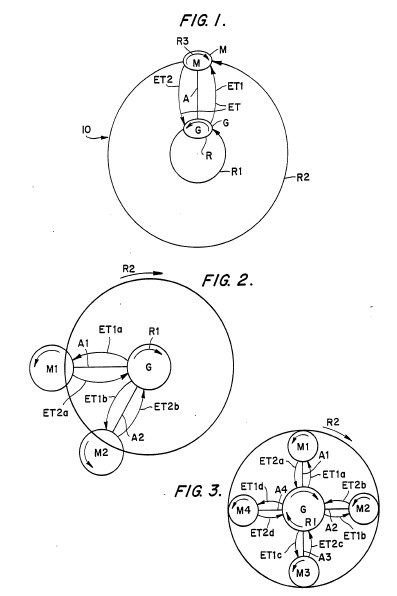
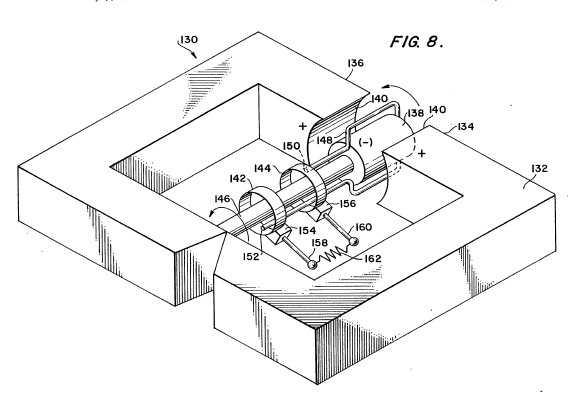
The Magnetic Battery-Generator is a modified electric generator that uses additional magnets and a special spinning system to cancel magnetic drag. By balancing magnetic repulsion and attraction forces, the device claims to extract energy from the magnetic field itself, producing more electrical output than the electrical input for short periods.
Detailed Description
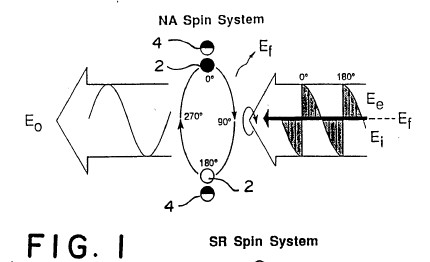
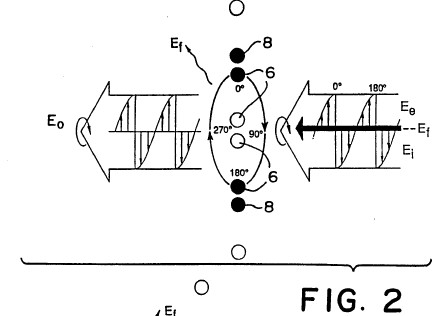
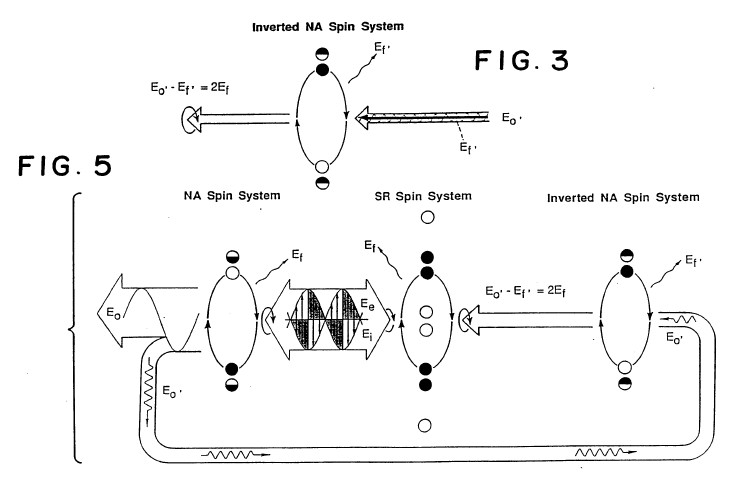
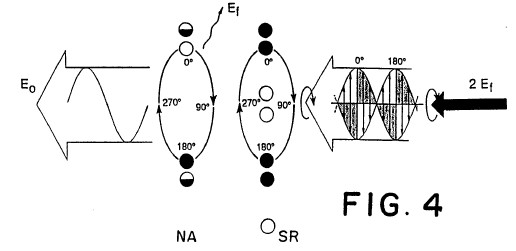
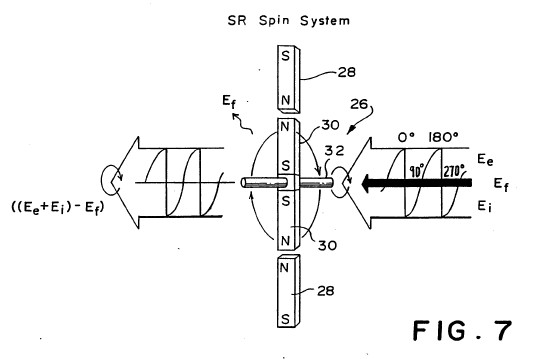
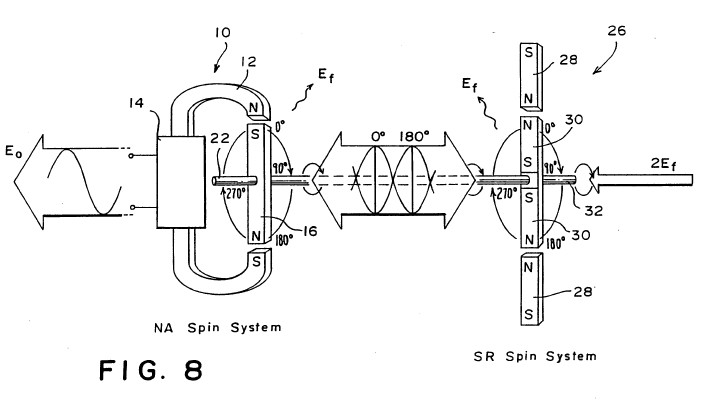
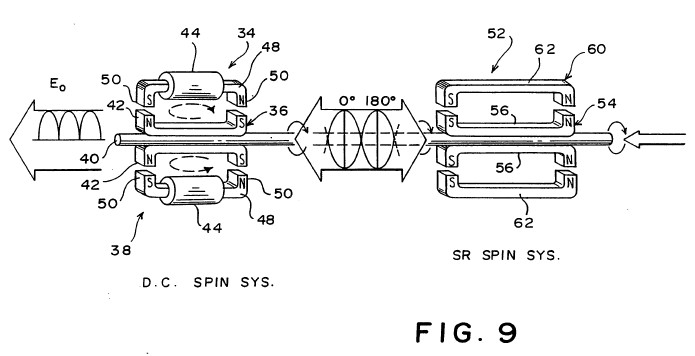
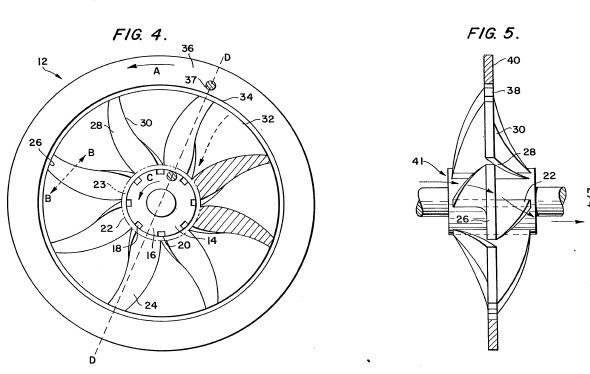
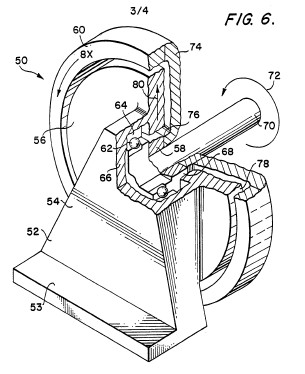
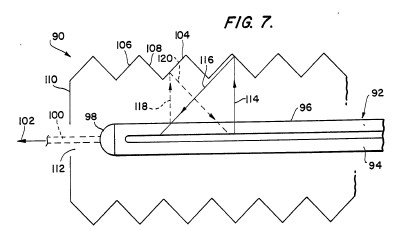
Werjefelt's design builds on the conventional generator where a rotor spins past coils. He adds a set of auxiliary magnets that generate opposing force fields, effectively cancelling the magnetic drag that normally reduces efficiency. The system is said to create a "virtual inertia" that allows the rotor to spin with reduced torque loss. Experimental prototypes have reportedly delivered 450 W of electrical power from a 150-160 W input for several minutes. The inventor suggests that the excess energy may stem from an as-yet-unknown "space energy" or from exploiting a thermodynamic exception (negative absolute temperature) associated with magnetic spin systems. Japanese research teams (Sumitomo, Hitachi, Mitsubishi, Matsushita, Meiji and Waseda universities) have allegedly built larger units that run for extended periods, but independent peer-reviewed verification is lacking.
Principles
- Magnetic drag cancellation
- Balancing magnetic repulsion and attraction
- Virtual inertia
- Negative absolute temperature (thermodynamic exception)
- Extraction of energy from magnetic fields
Scientific Domains
Materials
- Permanent magnets
- Magnetic materials
- Lithium fluoride crystals (mentioned in theoretical discussion)
Mechanisms of Action
- Special spinning system that counteracts magnetic drag
- Use of additional magnets to create opposing force fields
- Balancing of repulsive and attractive magnetic forces to reduce torque loss
- Coupling of distinct magnetic spin systems to release excess energy
Energy Sources
Applications
- Power generation for grids
- Electric motors for appliances
- Hybrid power plants
- Portable electricity generation
Claimed Performance
Reported output of 450 W from an input of 150-160 W (~=3 x over-unity) for several minutes; self-sustaining operation claimed for minutes, with plans for indefinite operation.
Experimental Evidence
Prototype tests have shown power output exceeding input for periods of minutes (e.g., 160 W in, 450 W out). Japanese teams allegedly built larger units that run for hours to weeks, but no published peer-reviewed data were provided.
Replication Status
Verified by Japanese researchers (Sumitomo, Meiji, Waseda) according to press releases, but no independent scientific replication or peer-reviewed publication is documented.
Limitations
- Demonstrated only for short durations (minutes)
- Self-sustaining operation not yet achieved
- No peer-reviewed data or independent replication
- Claims conflict with established conservation laws
Red Flags
- Over-unity claims that violate conventional thermodynamics
- Lack of independent, peer-reviewed validation
- Reliance on anecdotal statements from corporate contacts
- Potential for being marketed as a free-energy solution without scientific backing