Goal
To dramatically increase fuel efficiency and reduce emissions by vaporizing gasoline before it enters the engine.
Problem
High fuel consumption, greenhouse gas emissions, and pollution from conventional liquid-fuel injection systems.
Concept Summary
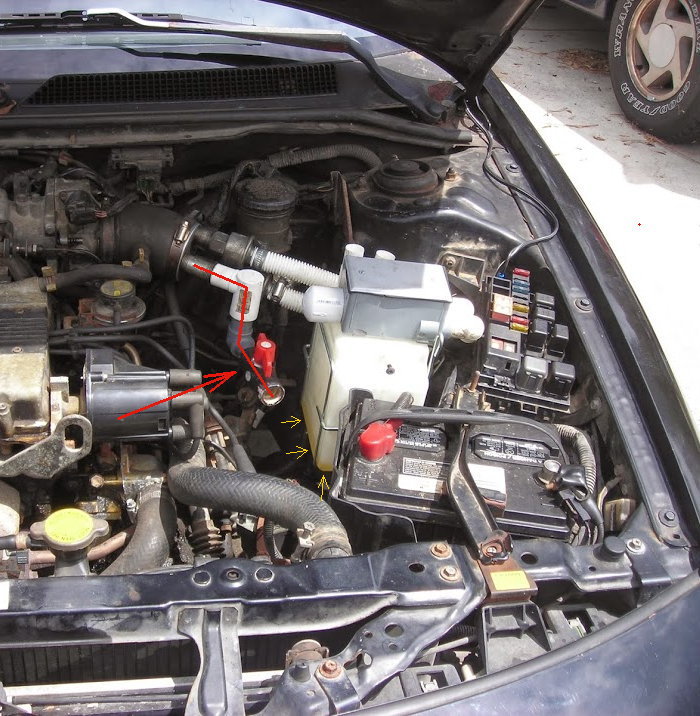
The AVFS vaporizes gasoline in a small plastic tank mounted under the hood. Vapors are mixed with additional air and fed to the engine intake, replacing most of the liquid fuel. The system uses simple components (PVC tubing, fittings, a valve, and a float) and can be adjusted for different fuels and engine types.
Detailed Description
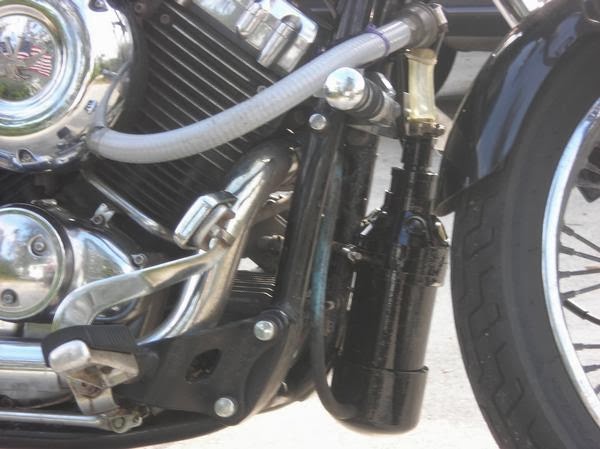
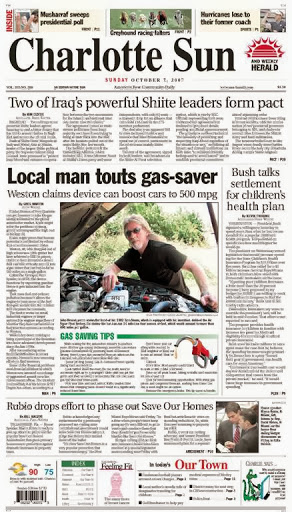
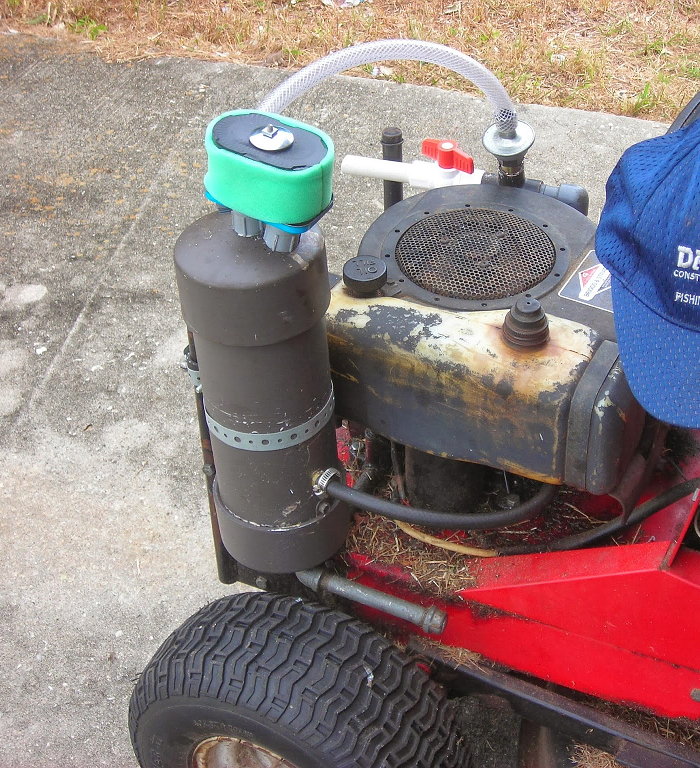
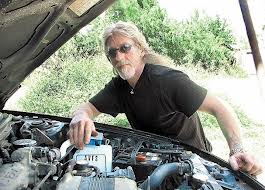
A plastic tank (originally a windshield-washer fluid container) is placed under the hood. Hoses from the engine air-intake housing are routed to the top of the tank so that the engine draws in vapors from above the liquid gasoline level. A valve allows the driver to adjust the air-vapor mixture. The system replaces the fuel line to the injector, so only vapor reaches the combustion chamber. A homemade switch (lamp-cord) can be pulsed to add small amounts of liquid fuel when the tank level falls below an optimal margin. The device has been installed on a 1992 Geo Storm, a gasoline-powered generator, a riding lawnmower, and a motorcycle. Tests reported 14.8 mi on 4 oz of gasoline (~473 mpg) and a generator run time increase from 3.5 h to 14 h (~=400 % improvement). Independent testing by Adiabatics showed reductions in hydrocarbons (71 %) and CO (25 %) but increases in CO_2 (+12 %) and NO_x (+296 %).
Principles
- Fuel vaporization
- Air-fuel mixture enrichment
- Lean-burn combustion
- Closed-loop fuel level control
Scientific Domains
Materials
- Plastic tank (windshield-washer fluid container)
- PVC tubing
- Electrical conduit tubing
- Metal fittings and valves
- Float (for level sensing)
- Lamp-cord switch
Mechanisms of Action
- Vaporizing liquid gasoline to create a combustible vapor-air mixture
- Increasing the proportion of fuel that actually enters the combustion chamber
- Reducing unburned fuel in the exhaust
Energy Sources
Applications
- Automotive fuel-saving retrofit
- Portable gasoline generators
- Riding lawnmowers
- Motorcycles
Claimed Performance
14.8 mi on 4 oz gasoline (~473 mpg); generator runtime 14 h vs 3.5 h (~=400 % improvement); hydrocarbons reduced 71 %, CO reduced 25 %, fuel consumption reduced 15-30 % (but CO_2 +12 % and NO_x +296 %).
Experimental Evidence
Test drive of a 1992 Geo Storm reported 14.8 mi on 4 oz gasoline; independent testing by Adiabatics on a small engine showed emission changes and fuel-consumption reductions.
Replication Status
Tested by the inventor and by Adiabatics Inc.; no independent third-party replication reported.
Limitations
- Requires safety devices (valves, floats, metal containers)
- Precise air-vapor mixture control needed for stable operation
- Observed increases in CO_2 and NO_x emissions when mixture not optimized
- Long-term durability and regulatory compliance not demonstrated
Red Flags
- Extraordinary fuel-efficiency claims ( >400 mpg) without peer-reviewed data
- Lack of independent third-party replication
- Potential safety hazards from vapor-rich fuel delivery
- Historical statements that the invention may be unpatentable or previously used