Goal
Create a high-efficiency motor that can run for long periods without external power, using permanent magnets as the primary energy source and thereby replace gasoline engines.
Problem
Reliance on fossil fuels, low efficiency of conventional internal-combustion engines, and the need for clean, low-maintenance power for vehicles and appliances.
Concept Summary
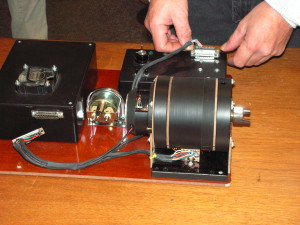
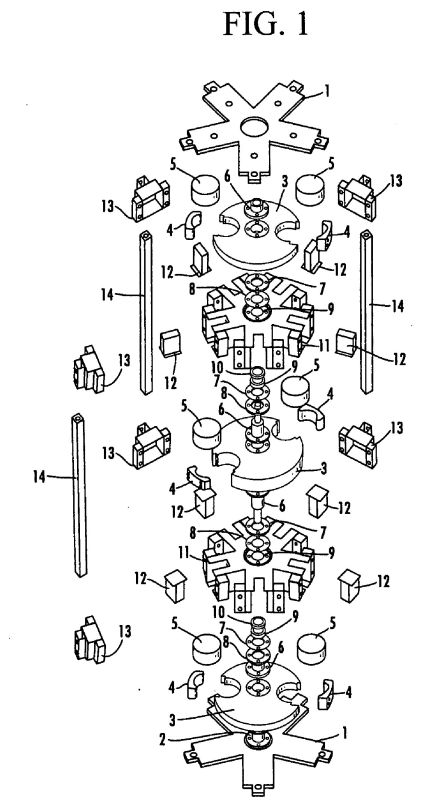
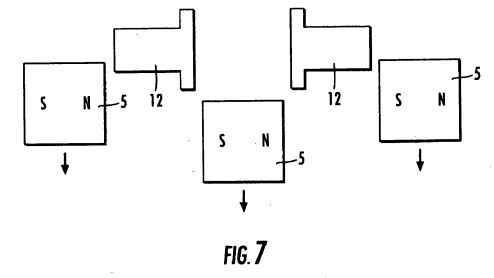
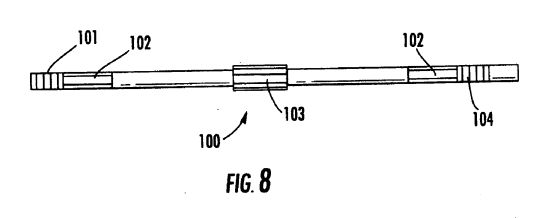
The EME motor uses a combination of permanent magnets mounted on a shaft and electromagnets in the stator. Positive and negative charges push and pull the magnets, while a magnetic-cushion bearing eliminates metal-on-metal contact. The motor draws power from six motorcycle batteries, recharges them via back-EMF harvested in secondary windings, and claims to achieve efficiencies up to 82 % (with future versions projected >100 %). The design emphasizes plastic and wood components to avoid magnetic interference and to keep costs low.
Detailed Description
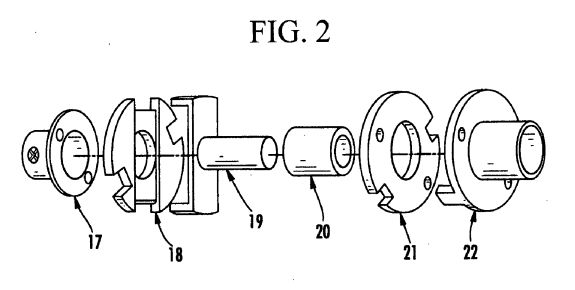
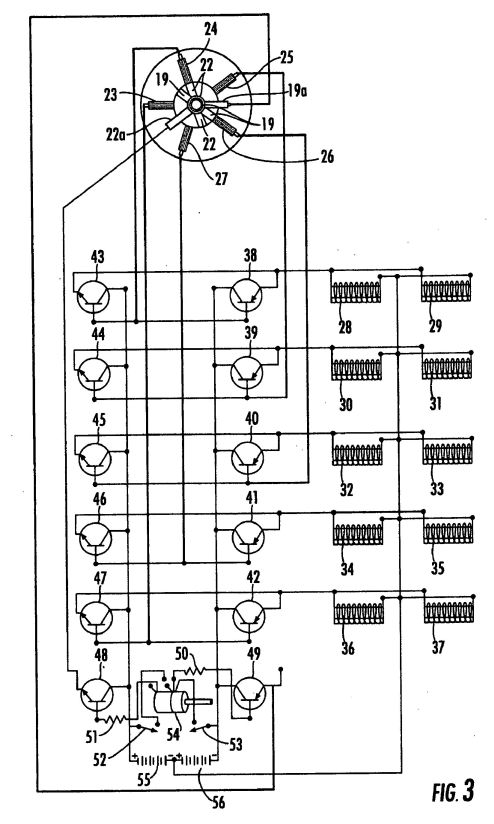
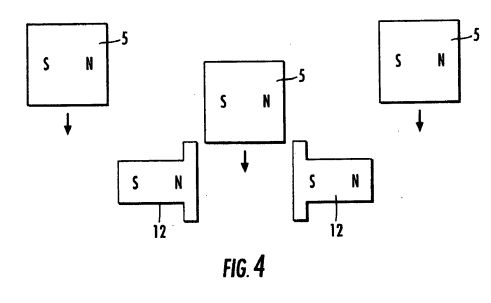
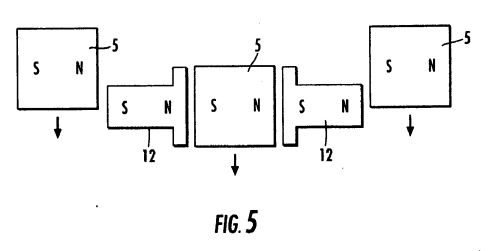
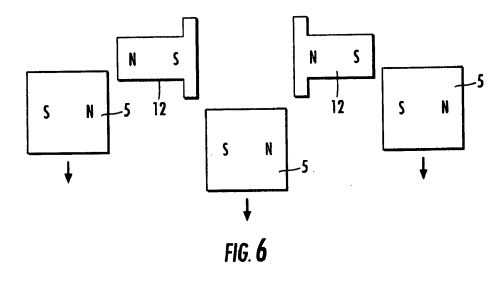
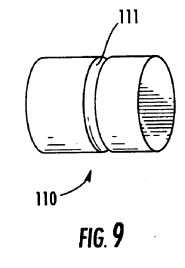
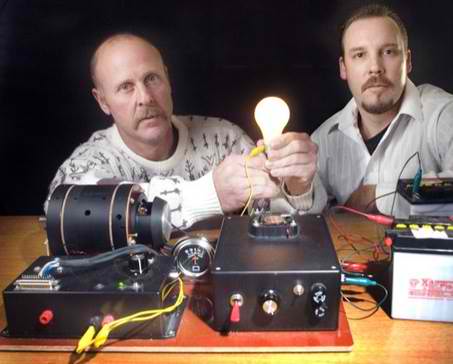
The motor consists of two rotors each carrying a permanent magnet, a stator with electromagnets, a shaft-position sensor, and a switch that energizes the electromagnets at precise rotor positions. As the rotor spins, the magnetic field compression between the permanent magnets and electromagnets generates torque. Secondary windings capture the back-EMF generated during compression and store it in capacitors to recharge the batteries. When the motor exceeds a certain speed the shaft rides on a magnetic cushion, eliminating mechanical bearings. Prototypes have been built in a plastic case (small) and a larger metal-frame version installed in a 1951 Ford pickup. Reported performance includes 10 000 rpm (small prototype), 15 000 rpm (wooden prototype), up to 600 HP and 5 000 VAC for a 15 x 30-inch model, and a claim of >100 % efficiency in future designs.
Principles
- Magnetic field interaction
- Permanent-magnet compression
- Electromagnetic induction
- Back-EMF harvesting
- Magnetic cushion bearing
Scientific Domains
Materials
- Plastic
- Wood
- Metal (frame)
- Permanent magnets (e.g., NdFeB)
- Copper wire (windings)
- Capacitors
- Motorcycle lead-acid batteries
Mechanisms of Action
- Magnetic attraction/repulsion between permanent magnets and electromagnets
- Induced voltage in secondary windings (back-EMF)
- Capacitor storage and battery recharging
- Magnetic levitation of shaft
Energy Sources
Applications
- Automobiles
- Pickup trucks
- Mopeds
- Appliances
- Cell phones (theoretical scaling)
- Aircraft carriers (theoretical scaling)
Claimed Performance
Prototype efficiency up to 82 %; claim of >100 % efficiency in future versions; 10 000 rpm (small prototype); 15 000 rpm (wooden prototype); 600 HP and 5 000 VAC for 15 x 30-inch model; 600 HP for a pickup-truck-size motor.
Experimental Evidence
Prototype run for an hour using only 2 % of battery capacity; demonstration of 10 000 rpm and 15 000 rpm speeds; 15 x 30-inch prototype expected to produce 600 HP; video demonstration on YouTube.
Replication Status
Patent filed (US20080143206) and granted; multiple hand-built prototypes demonstrated by TWM Technology; no independent peer-reviewed replication reported.
Limitations
- No independent, peer-reviewed validation of overunity claims
- Reliance on proprietary magnetic configurations
- Potential scaling challenges for high-power versions
- Unclear source of claimed "universal energy"
Red Flags
- Overunity and free-energy claims without rigorous scientific evidence
- Reliance on anecdotal performance data
- Lack of third-party replication or peer-reviewed publications