Goal
Convert waste organic materials and low-grade hydrocarbons into useful fuels, chemicals and synthetic rubber, and desulphurise petroleum oils.
Problem
Dependence on conventional petroleum fuels, waste material disposal, and the need for low-sulfur petroleum products.
Concept Summary
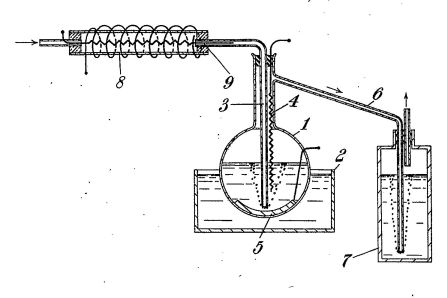
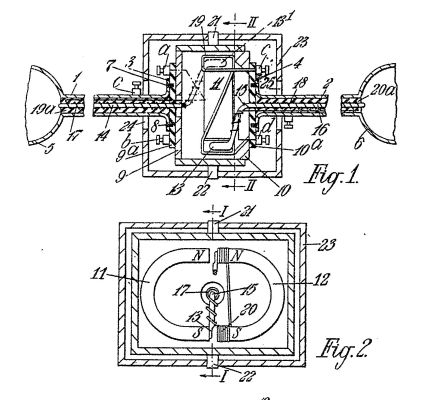
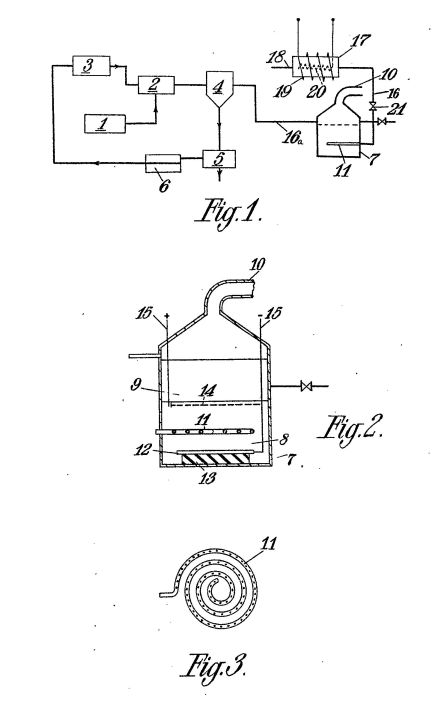
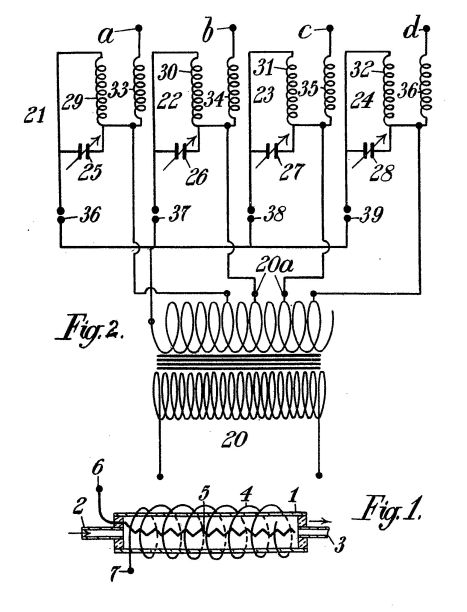
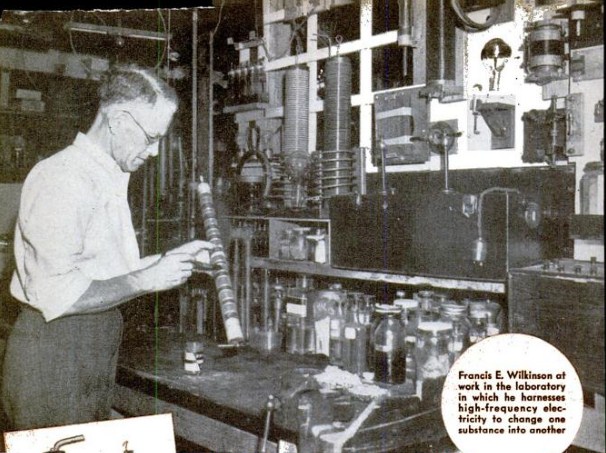
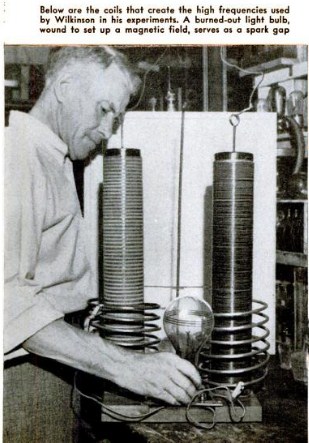
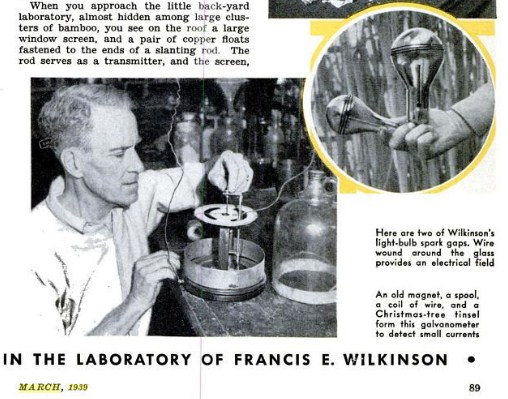
Wilkinson used high-frequency (up to ~100 MHz) electrical currents passed through coils and tubular vessels to bombard liquids and gases. The electromagnetic excitation, combined with spark gaps and oscillating magnetic fields, produced nascent hydrogen or ozone and induced chemical transformations such as alcohol synthesis from water/gas, rubber-like polymers from vegetable residues, and desulphurisation of crude oil. The system also employed direct-current electrolysis of alkaline or acidic electrolytes to generate reactive gases within the treatment tank.
Principles
- High-frequency electromagnetic induction
- Plasma-like excitation of gases
- Electrolysis of aqueous electrolytes
- Ozone generation via oscillating magnetic field
Scientific Domains
Materials
- Water
- Natural gas
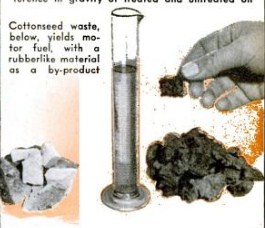
- Cottonseed waste
- Potato peelings
- Alcohol
- Synthetic rubber
- Crude oil
- Sulfur compounds
- Hydrogen
- Ozone
- Sodium hydroxide solution
- Acidic/alkaline electrolyte
Mechanisms of Action
- High-frequency current induces molecular excitation and bond cleavage
- Nascent hydrogen or ozone reacts with hydrocarbons to break sulfur bonds
- Electrolytic production of reactive gases in situ
- Spark-gap discharge creates transient high-energy electrons
Energy Sources
Applications
- Production of alternative motor fuels from waste biomass
- Desulphurisation of petroleum products
- Manufacture of synthetic rubber from vegetable residues
Claimed Performance
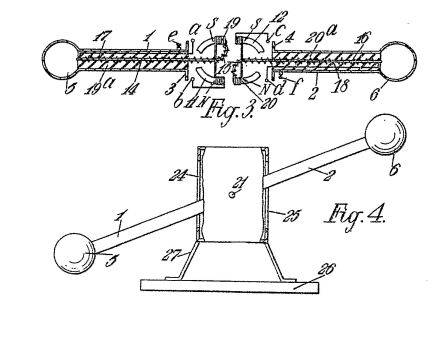
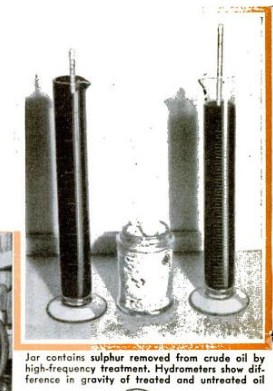
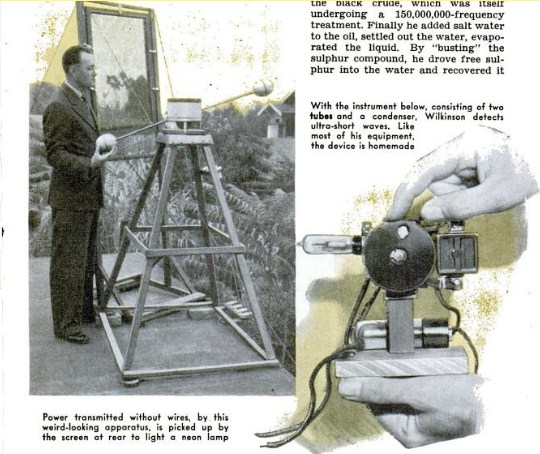
Produced a motor fuel from cottonseed waste, alcohol from water and natural gas, a rubber-like material refined into a sheet, and converted unusable crude oil into a lower-gravity, easily refined oil within a half-day; transmitted enough RF power through air to illuminate a neon lamp.
Experimental Evidence
Observed matter changing under electronic bombardment; submitted rubber sheets to a Los Angeles laboratory and received refined rubber; transformed crude oil to lower-gravity oil in half a day; lit a neon lamp remotely using the RF transmitter-receiver setup.
Limitations
- Anecdotal evidence without quantitative data
- No independent replication reported
- High-voltage equipment poses safety hazards
- Unclear energy efficiency of the process
Red Flags
- Claims of transmutation without heat generation
- Reliance on "magical" high-frequency effects
- Lack of peer-reviewed validation