Goal
Provide portable, gas-free electrical power for homes, offices, construction sites and emergency situations by converting vehicle wheel motion into electricity.
Problem
Dependence on noisy, polluting gasoline generators and the need for reliable backup power during blackouts and remote operations.
Concept Summary
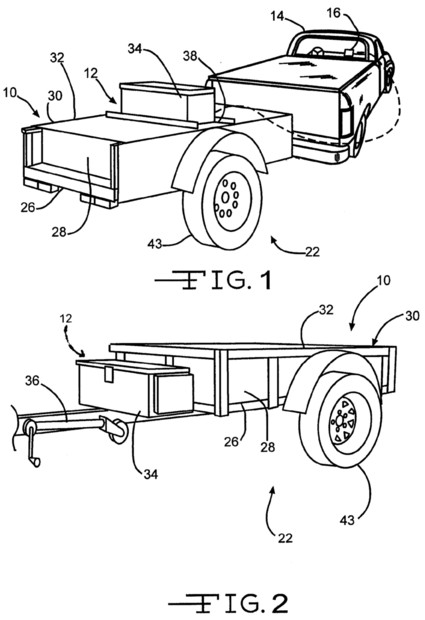
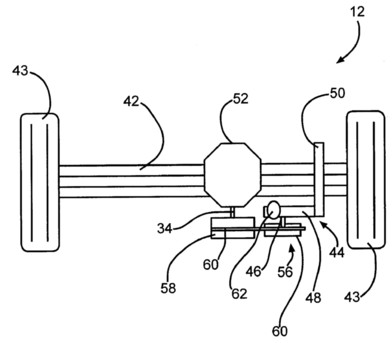
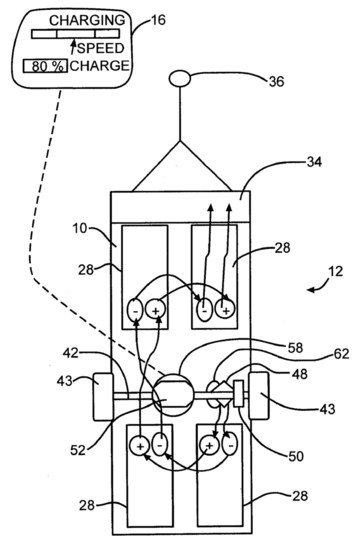
A tow-able trailer equipped with a wheel-driven axle that powers an alternator via gears/pulleys. The alternator charges a bank of 12 V batteries, which feed an inverter to supply AC power. The system harvests otherwise unused vehicle horsepower, eliminating the need for fuel.
Detailed Description
The invention consists of a single-axle trailer with a work surface, a set of 12 V batteries (e.g., four 8-D lead-acid cells), an alternator mounted on a pulley/gear drive, and an inverter box. When the trailer is hitched to a moving vehicle (or a horse-and-wagon), the axle rotation drives a belt-pulley system that spins the alternator shaft, generating DC electricity that charges the batteries. The stored energy can later be converted to 110 V AC via the inverter to run lights, air-conditioning, refrigerators, etc. Optional components include a voltage regulator, wireless monitoring, and a dashboard display.
Principles
- Mechanical-to-electrical energy conversion
- Electromagnetic induction (alternator)
- Energy storage in chemical batteries
- DC-to-AC inversion
Scientific Domains
Materials
- Lead-acid 8-D batteries
- Steel trailer frame
- Aluminium/steel alternator housing
- Rubber V-belt
- Metal gears and pulleys
- Copper windings in alternator
- Electrical wiring (AWG #4)
Mechanisms of Action
- Wheel-driven axle rotates a shaft
- Gear/pulley transmission transfers torque to alternator
- Alternator generates DC electricity
- Battery bank stores DC energy
- Inverter converts DC to AC for loads
Energy Sources
Applications
- Emergency backup power for homes and offices
- Power supply on construction sites
- Portable electricity for festivals and events
- Field power for military or disaster-relief operations
Claimed Performance
Can power lights, air-conditioning, refrigerators, inflatable slides and other loads during blackouts; reportedly saves on fuel and could pay for itself in about one year of use.
Experimental Evidence
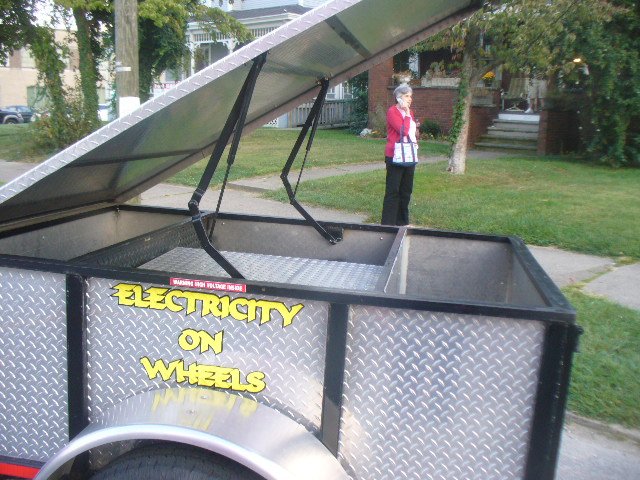
Demonstrated at St. Joseph Grade School Carnival; used by inventor's family, a federal judge, and M&M Inflatables manager; praised by West Virginia University engineers who gave a "thumbs up". No quantitative power or efficiency data provided.
Replication Status
Limited to a few private users (family, judge, local businesses); no commercial production or independent replication reported.
Limitations
- Power output limited by vehicle speed and axle torque
- Requires continuous motion to generate electricity
- Battery capacity limits duration of power supply
- No published performance metrics or independent testing
Red Flags
- Anecdotal performance claims without quantitative data
- No peer-reviewed validation or third-party testing
- Potential safety concerns if the system is overloaded or improperly wired