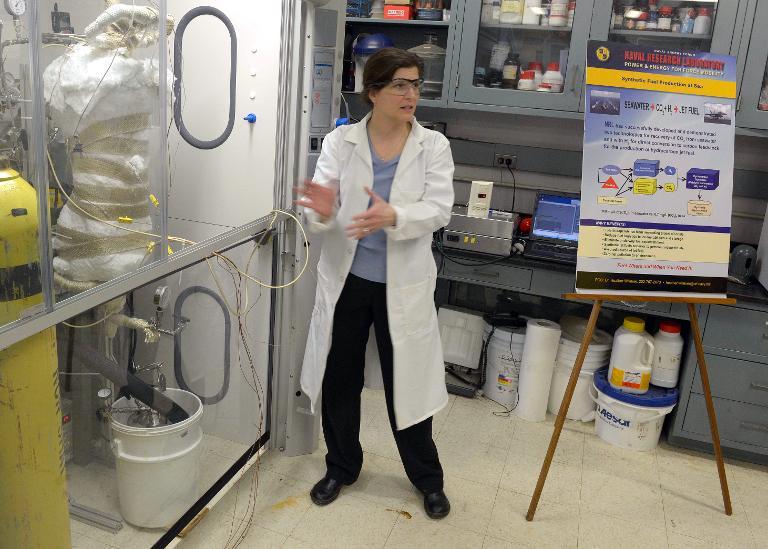
Goal
Convert seawater into a drop-in liquid hydrocarbon fuel (jet fuel) for naval ships and aircraft, reducing dependence on petroleum oil supplies.
Problem
Logistical vulnerability and cost of supplying oil to naval vessels; need for onboard fuel generation.
Concept Summary
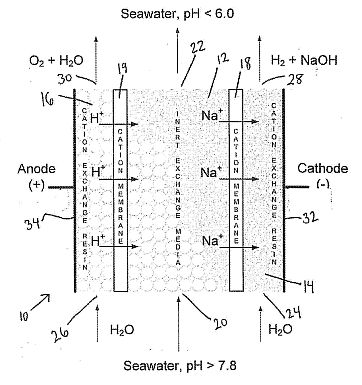
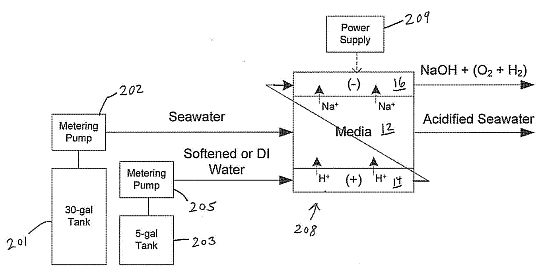
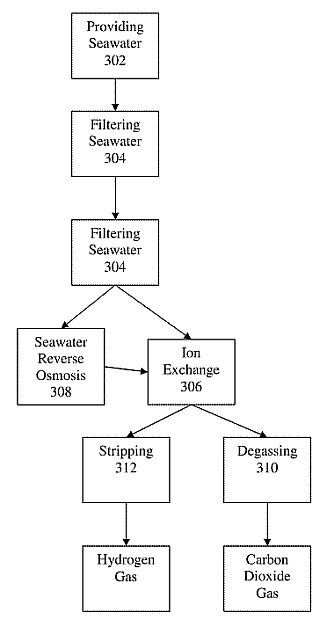
The system acidifies seawater using ion-exchange and electrochemical cells, extracts dissolved CO_2 and generates H_2, then combines them over a bifunctional catalyst (reverse water-gas shift + Fischer-Tropsch) to produce liquid hydrocarbons that are chemically identical to conventional jet fuel.
Detailed Description
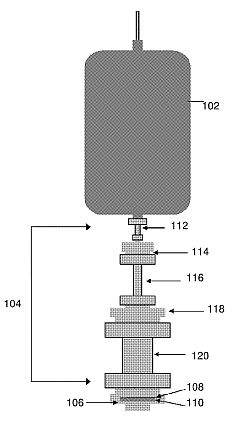
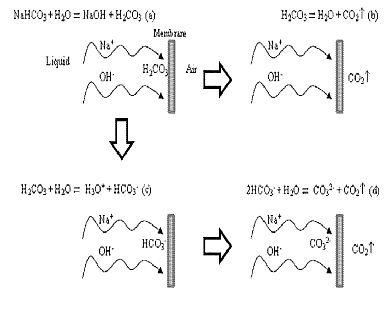
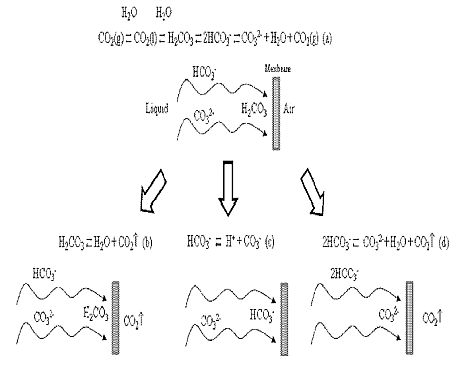
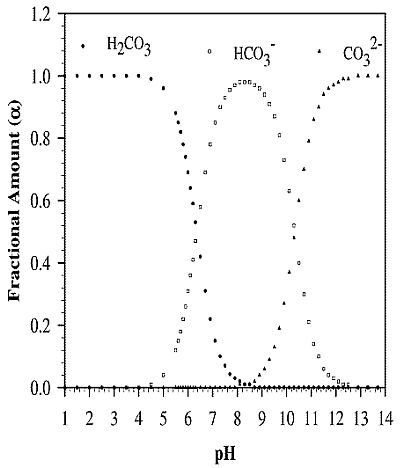
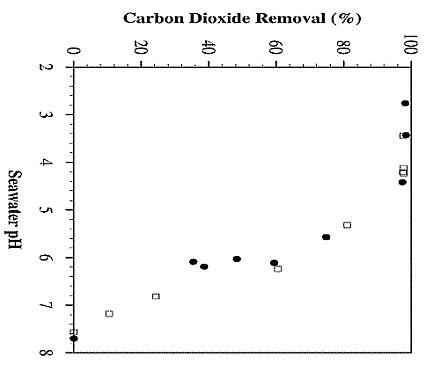
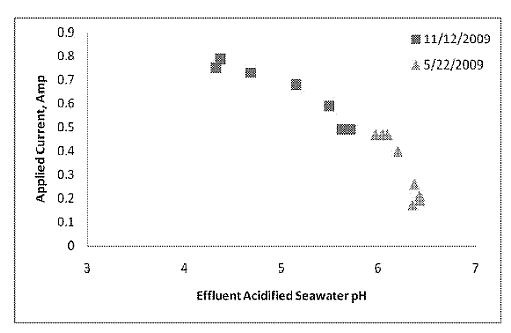
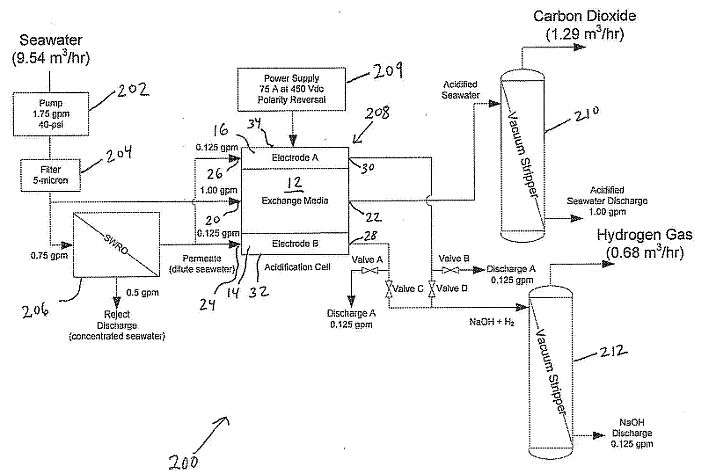
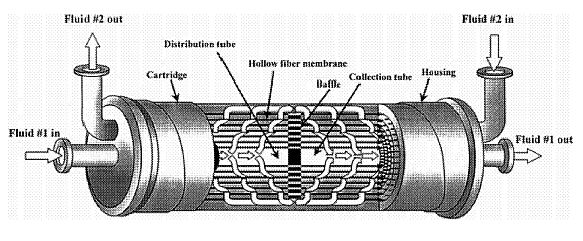
Patented apparatus (US2013206605, US8313557, US8663365, US8658554) uses ion-exchange compartments with cation-permeable membranes to replace Na^+ with H^+, acidifying seawater. CO_2 is stripped from the acidified stream via multi-layer gas-permeable membranes (up to 92 % removal). Simultaneously, water electrolysis at the cathode yields H_2. The CO_2/H_2 mixture is fed to a catalytic reactor containing a reverse water-gas shift (RWGS) catalyst (e.g., Fe-based) followed by a Fischer-Tropsch (FT) catalyst (e.g., Co-based) to synthesize long-chain hydrocarbons. Laboratory tests have demonstrated fuel that can power a model airplane; cost projections are $3-6 / gallon.
Principles
- Ion exchange acidification
- Membrane gas separation
- Electrolysis
- Reverse water-gas shift reaction
- Fischer-Tropsch synthesis
Scientific Domains
Materials
- Seawater
- Ion-exchange resin
- Cation-permeable membrane
- Hollow-fiber gas-permeable membrane
- Anode and cathode electrodes
- Catalyst support (alumina)
- Active catalyst materials (Fe, Co, K/Mn/Fe, etc.)
Mechanisms of Action
- Acidification of seawater to liberate CO_2
- Electrochemical generation of H_2 from seawater
- Catalytic hydrogenation of CO_2 to syngas (RWGS)
- Chain growth of syngas to liquid hydrocarbons (FT)
Energy Sources
Applications
- Naval ship propulsion
- Aircraft jet fuel
- Potential commercial marine fuel
Claimed Performance
Cost projection $3-6 per gallon jet fuel; up to 92 % CO_2 removal; 41.4 % CO_2/H_2 conversion over K/Mn/Fe catalyst; demonstrated flight of model airplane using produced fuel.
Experimental Evidence
Laboratory demonstrations of CO_2 extraction and H_2 generation; model airplane powered by seawater-derived fuel; patent data showing 92 % CO_2 recovery and 41.4 % conversion yields.
Replication Status
Feasibility demonstrated in laboratory and small-scale aircraft test; no independent large-scale replication reported.
Limitations
- Requires substantial electrical power for seawlysis and acidification
- Scale-up to industrial quantities not yet demonstrated
- Catalyst durability and fouling in seawater environment
- Economic viability depends on future energy prices
Red Flags
- No peer-reviewed publication presenting detailed performance data
- Reliance on proprietary patents without independent validation
- Long timeline (~=10 years) before onboard production anticipated