Goal
Increase the output current and power of a lighting or load circuit beyond the power supplied by the primary source using atmospheric electricity and electrostatic conversion.
Problem
Low efficiency of conventional transformers and generators; need for higher power output without additional fuel or external energy input.
Concept Summary
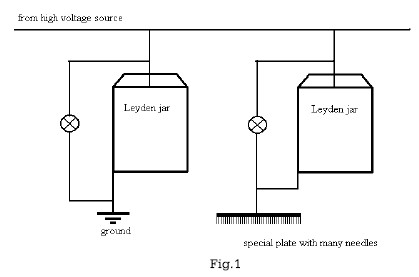
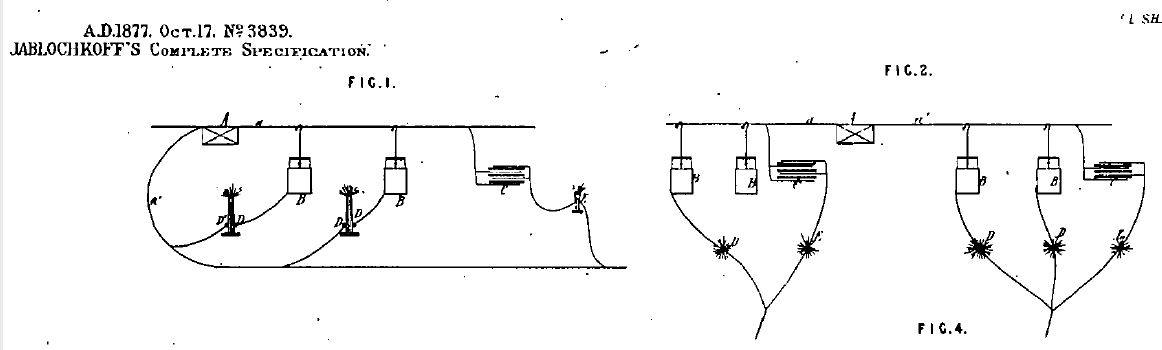
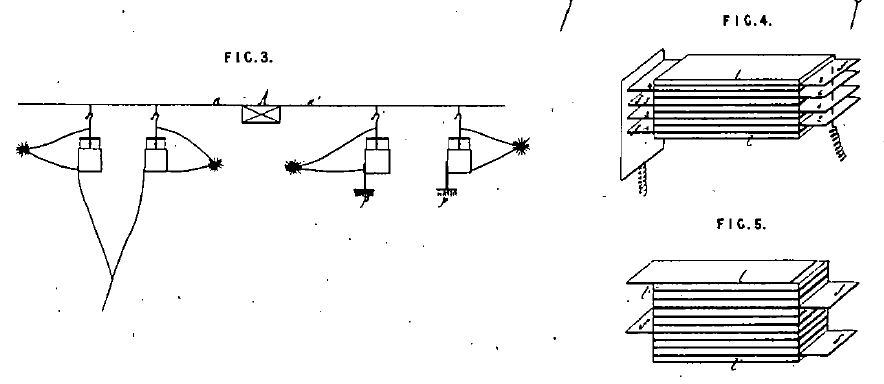
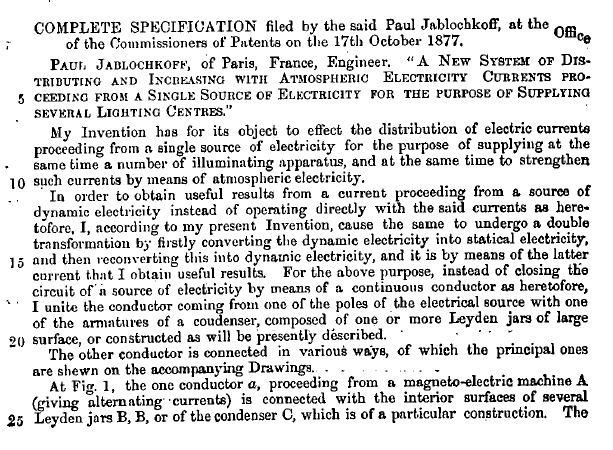
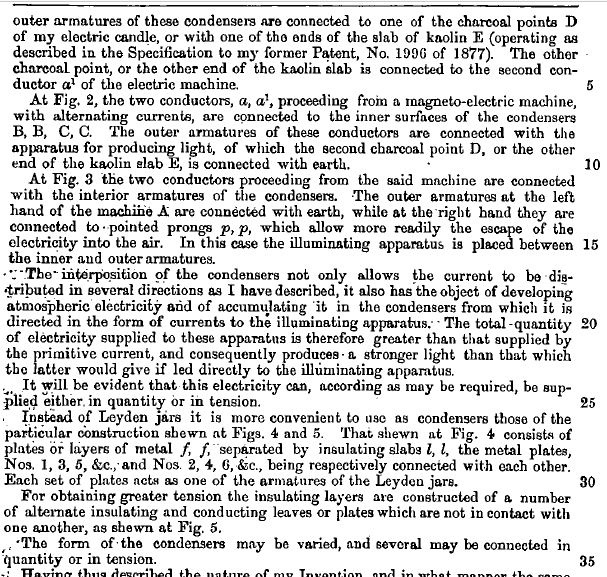
The invention uses flat-tape windings to reduce resistive losses, asymmetric magnetic coupling, and a system of large-area Leyden-jar capacitors (often equipped with needle-like electrodes) that ionize the surrounding air. The ionized air provides free electrons that are harvested through grounding, allowing the circuit to draw additional current from atmospheric electricity. The dynamic AC source is first converted to static electricity in the capacitors and then reconverted to dynamic electricity, resulting in an amplified output current that can exceed the input power.
Principles
- Electrostatic conversion (dynamic -> static -> dynamic)
- Atmospheric electricity harvesting
- Air ionization using needle electrodes
- Resonant amplification with inductors and capacitors
- Asymmetric magnetic field coupling
- Flat-tape winding to reduce resistance
Scientific Domains
Materials
- Copper flat tape
- Metal needle electrodes (hedgehog capacitors)
- Glass or ceramic Leyden-jar plates
- Metal plates
- Charcoal points
- Kaolin slab
Mechanisms of Action
- Conversion of AC to static charge in large-area capacitors (Leyden jars)
- Ionization of air to release free electrons
- Ground connection collects electrons and feeds them back into the load circuit
- Resonance between inductance and capacitance raises voltage
- Flat copper tape windings increase ampere-turns while minimizing ohmic loss
Energy Sources
Applications
- Lighting systems
- Distributed power supply
- Electric vehicle power
- Industrial power distribution
Claimed Performance
200 % efficiency reported; output current several times stronger than input; power output greater than power input.
Experimental Evidence
Historical experiments with physicists (e.g., Dr. Maskar, Dr. Varren-Delaru) confirmed 200 % efficiency; ground currents measured twice that of the primary generator.
Limitations
- Dependence on atmospheric ionization conditions
- Requirement for large grounding surface
- High voltage handling and safety concerns
- Lack of independent, peer-reviewed verification
Red Flags
- Claims of >100 % efficiency without rigorous experimental data
- Historical anecdotal evidence rather than modern peer-reviewed studies
- Potential classification as a free-energy claim