Goal
Repair early dental caries (cavities) without drilling and prevent further decay.
Problem
Dental caries require invasive drilling and filling; early lesions are difficult to treat with conventional resins.
Concept Summary
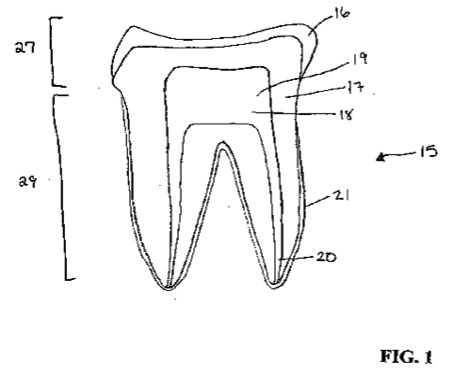
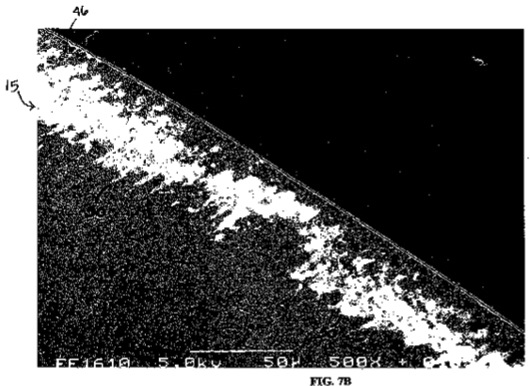
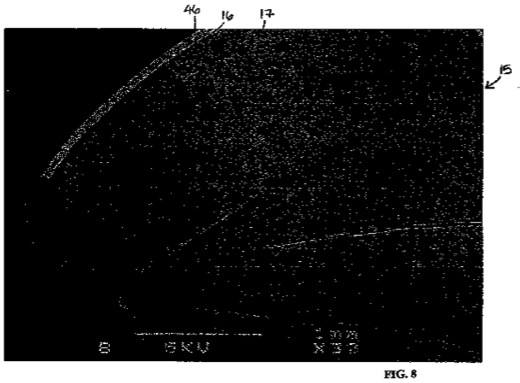
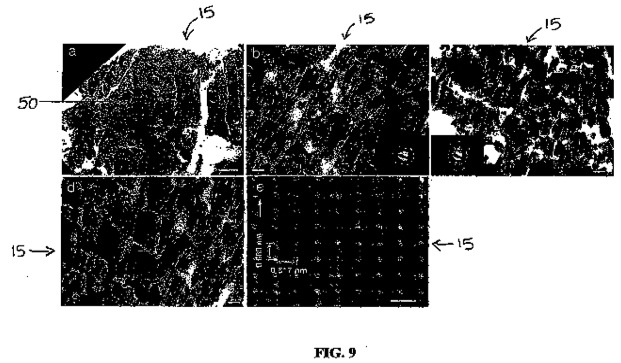
A crystalline paste containing silicate-bound hydroxyapatite, hydrogen peroxide, and phosphoric acid is applied to a tooth. The acidic mixture dissolves a thin layer of enamel, allowing hydroxyapatite crystals to grow and integrate with the natural tooth structure, forming a synthetic enamel that seals the cavity.
Principles
- Crystal growth of hydroxyapatite
- Acidic etching and remineralization
- Integration of synthetic enamel with natural tooth tissue
Scientific Domains
Materials
- hydroxyapatite powder (silicate-containing)
- phosphoric acid solution
- hydrogen peroxide solution
Mechanisms of Action
- Hydroxyapatite crystal nucleation and growth
- Phosphoric acid etches enamel surface
- Hydrogen peroxide provides oxidative environment for crystal formation
Energy Sources
Applications
- treatment of early dental caries
- tooth whitening
Claimed Performance
Repairs early cavities in about 15 minutes; integrates with natural enamel as if it were a single substance; can be used for tooth whitening.
Experimental Evidence
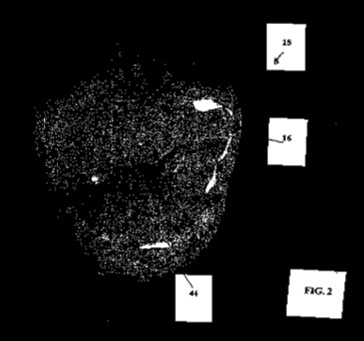
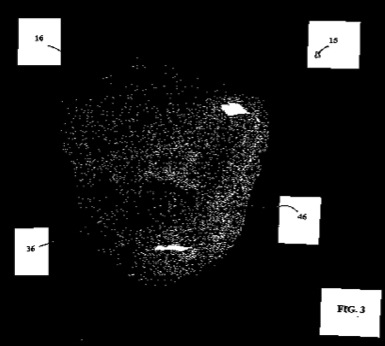
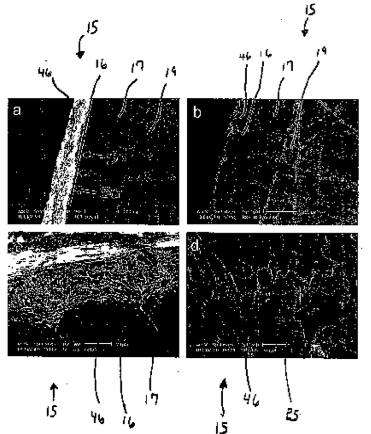
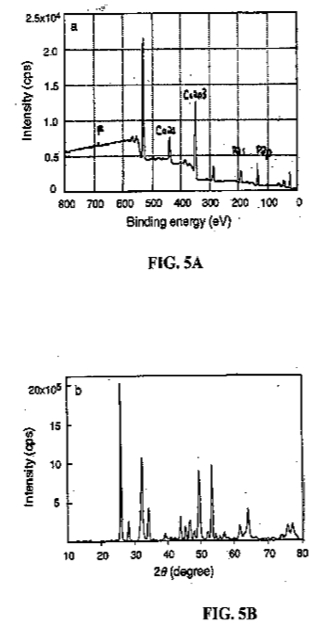
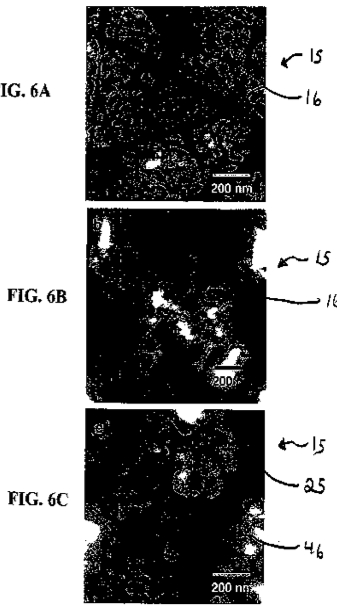
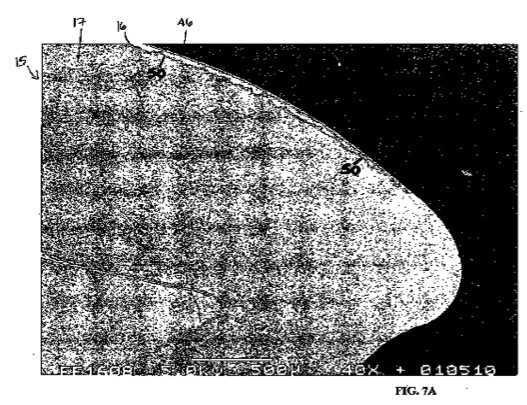
Electron microscope images showed that the artificial enamel became integrated with natural enamel; the study was published in Nature (vol 433, p 819).
Replication Status
No independent replication reported in the article.
Limitations
- Strongly acidic mix can be painful to gums
- Requires careful handling and precise application
Red Flags
- Acidic formulation may cause gum irritation
- Lack of independent clinical trials