Goal
Generate electrical power continuously without external grid connection, claiming over-unity energy output.
Problem
Need for independent, portable power generation in locations without access to electricity grids.
Concept Summary
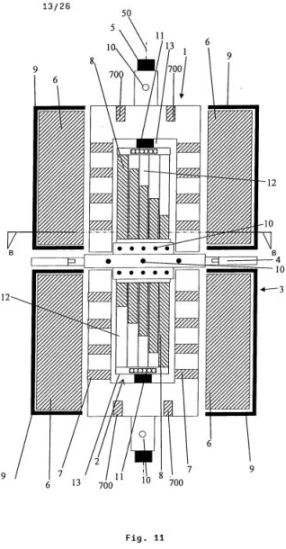
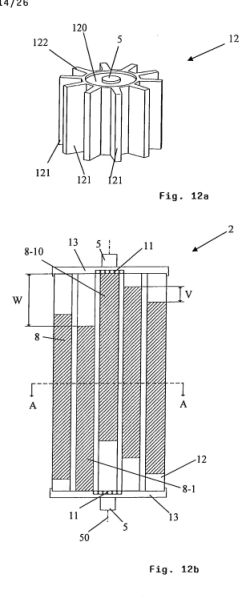
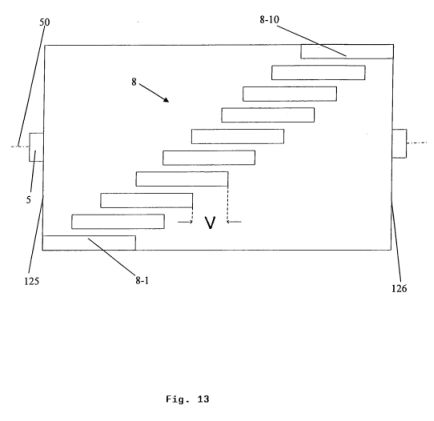
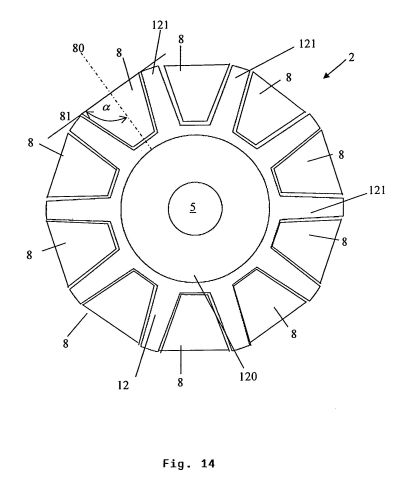
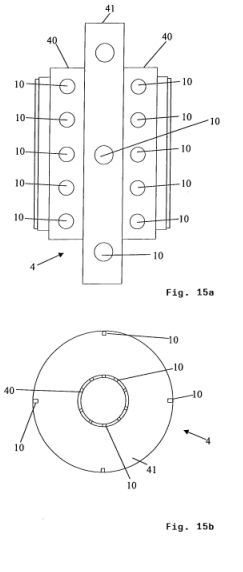
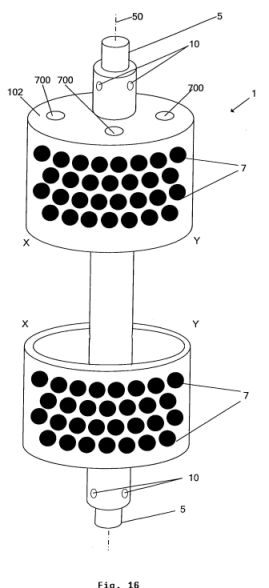
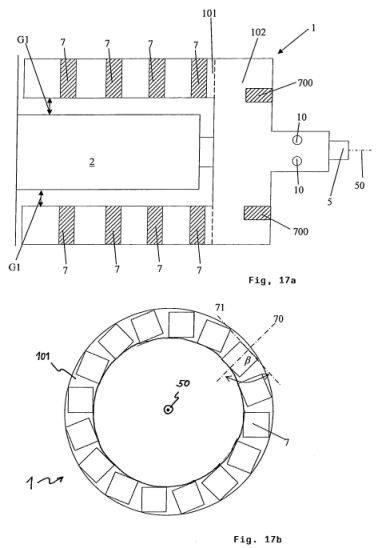
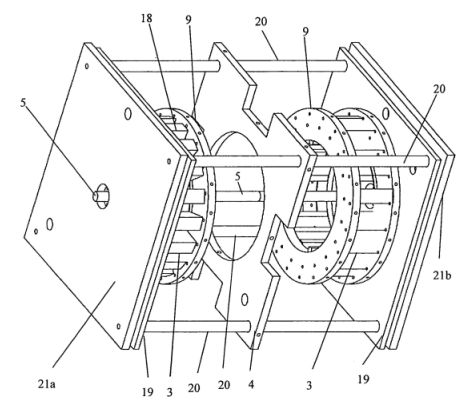
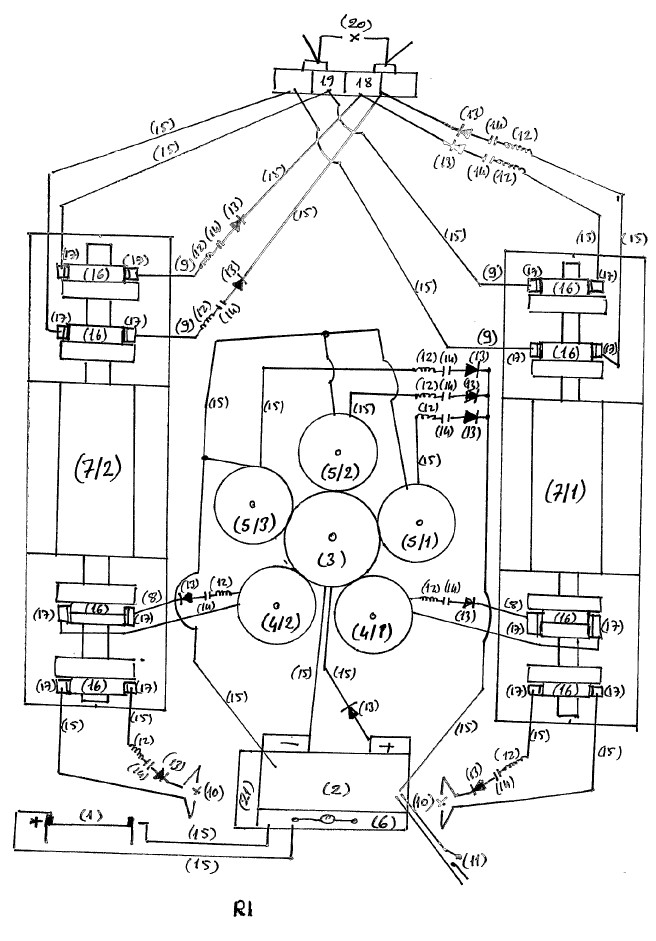
A portable system that uses two lead-acid accumulators to start a mechanical assembly of gears, starter and feedback dynamos, and homopolar machines. Once started, the device allegedly continues to generate DC and AC power through internal electromagnetic induction, without further external energy input, achieving output energy greater than the initial battery energy.
Principles
- Homopolar induction
- Electromagnetic feedback
- Mechanical gear amplification
- Self-excited dynamo operation
Scientific Domains
Materials
- Carbon (charcoal)
- Copper wiring
- Steel gears
- Lead-acid battery
- Aluminum/iron housing
Mechanisms of Action
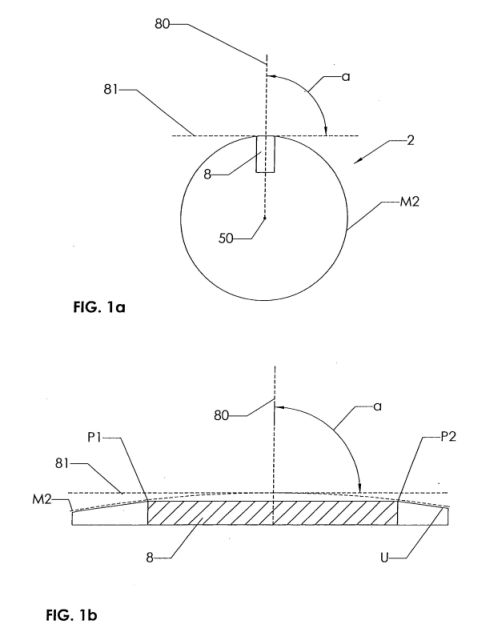
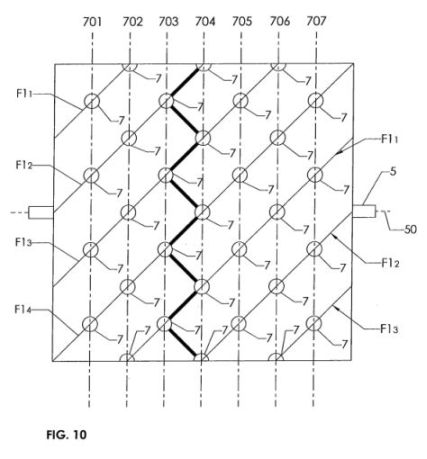
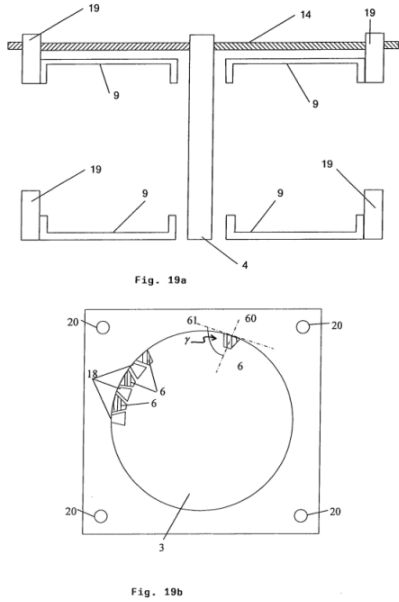
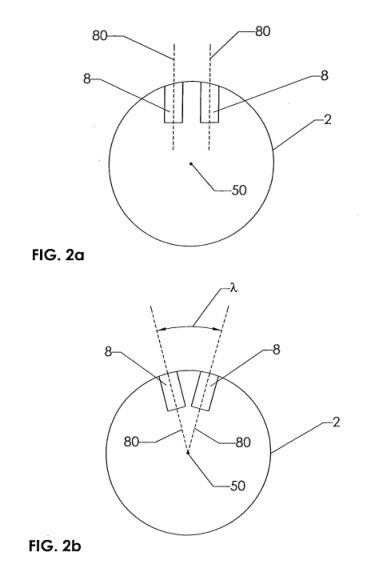
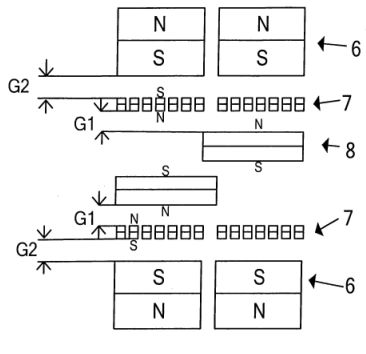
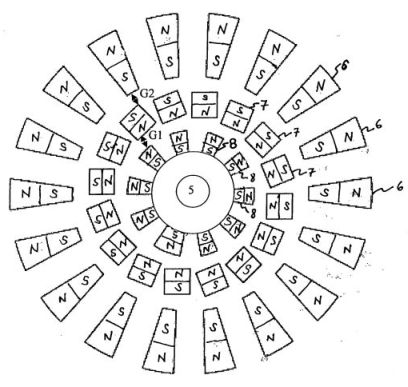
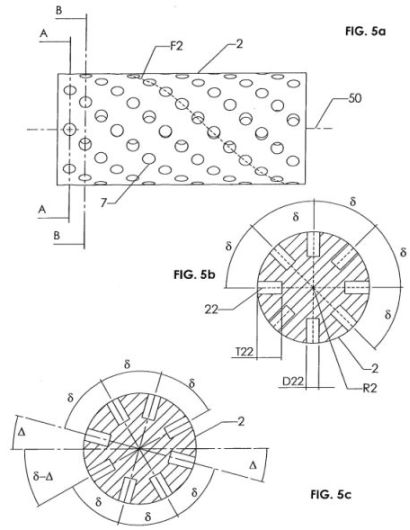
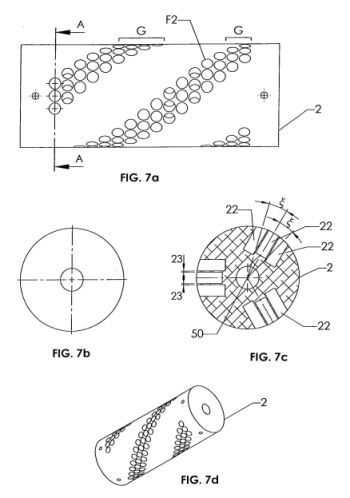
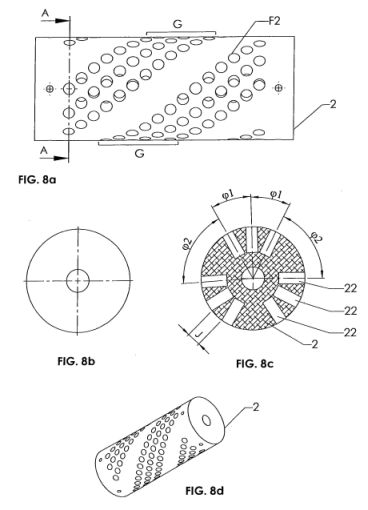
- Rotating conductive disks (Faraday disks) in magnetic fields
- Gear-driven transmission of motion to multiple dynamos
- Feedback of generated DC into regulator to sustain motion
- Conversion of DC to higher voltage AC via auxiliary dynamos
Energy Sources
Applications
- Off-grid power for remote villages
- Emergency backup for buildings
- Power source for vehicles without gasoline
Claimed Performance
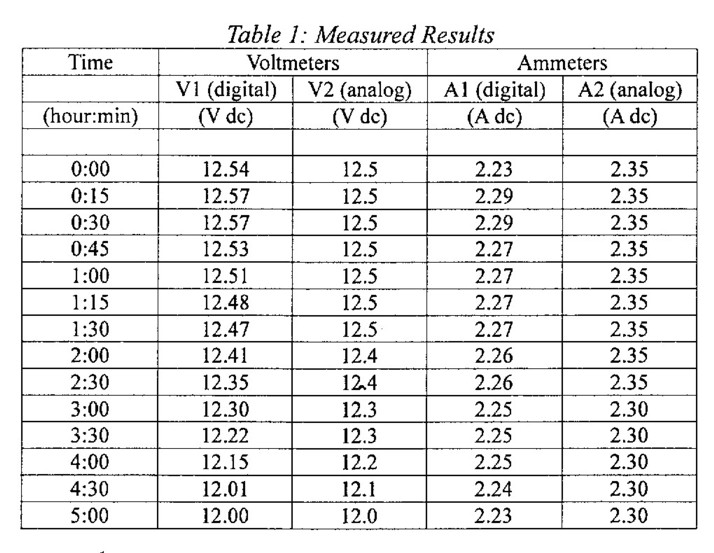
Reported over-unity: 12.25 V x 2.3 A x 5 h ~= 507 kJ output versus ~=12 V x 8 s input, implying >100 % efficiency.
Experimental Evidence
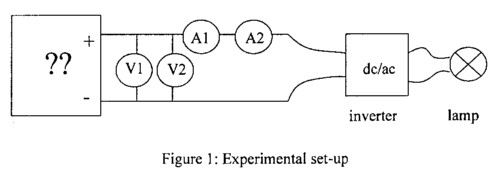
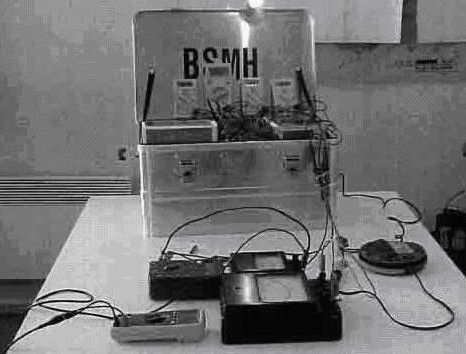
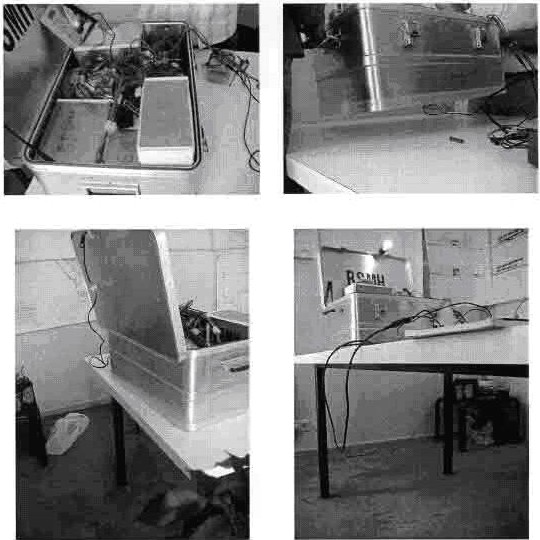
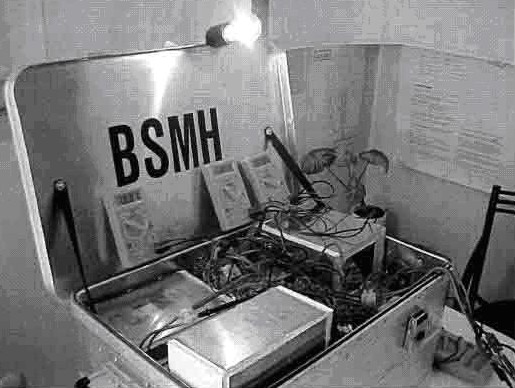
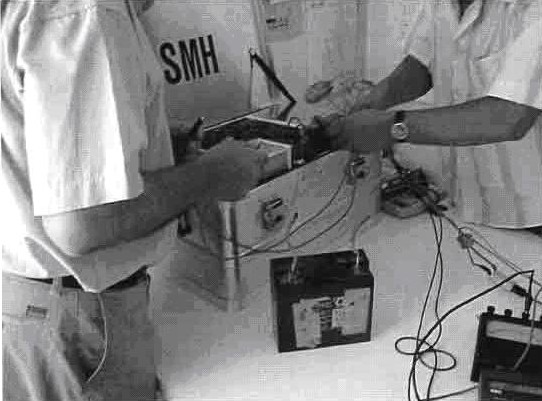
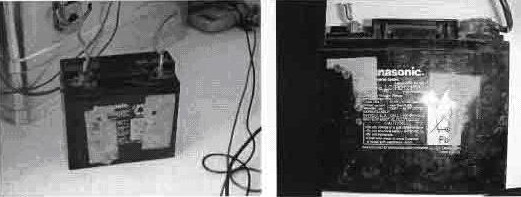
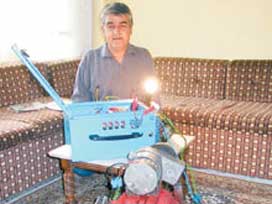
J.J. Duarte's 2005 test measured ~12.25 V and 2.3 A continuously for 5 h from a sealed box after an 8-second start with a 12 V lead-acid battery.
Replication Status
Only a single, non-peer-reviewed experiment reported; no independent replication documented.
Limitations
- No independent verification of over-unity claim
- Unclear internal mechanism (contents of sealed box not disclosed)
- Potential measurement errors or hidden energy sources
Red Flags
- Extraordinary over-unity claim without peer-reviewed data
- Reliance on a single, author-conducted experiment
- Lack of transparent disclosure of internal components