Goal
Disinfect and clean dental cavities while improving the bond strength of restorative fillings.
Problem
Painful drilling, bacterial contamination, weak adhesive-dentin interfaces, and high failure rates of composite restorations.
Concept Summary
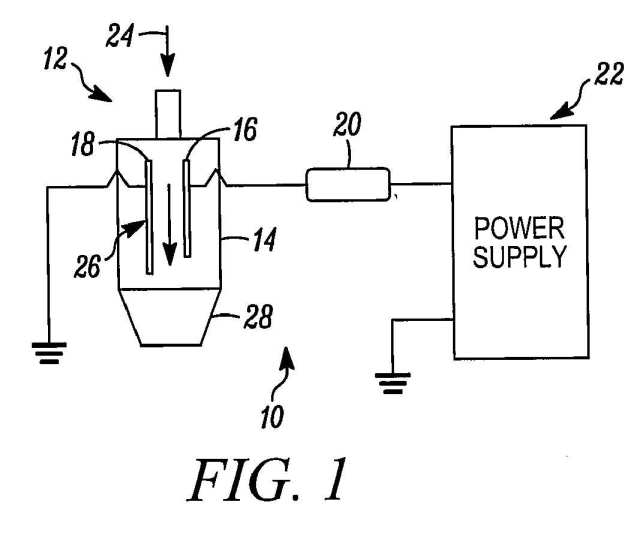
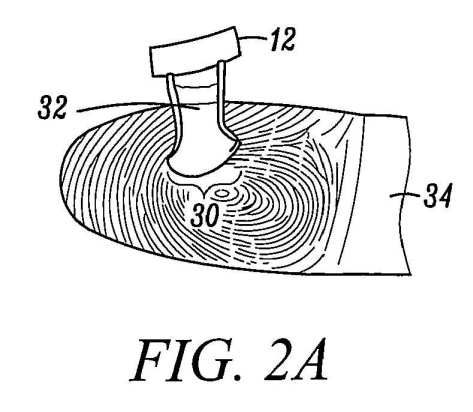
A handheld cold atmospheric plasma brush generates a low-temperature plasma (~=10-50 deg C) inside the patient's mouth. The plasma chemically activates dentin, enamel, or adhesive surfaces, disinfects bacteria, and modifies surface chemistry to create stronger bonding with composite fillings. The process takes less than 30 seconds and is designed to be painless.
Detailed Description
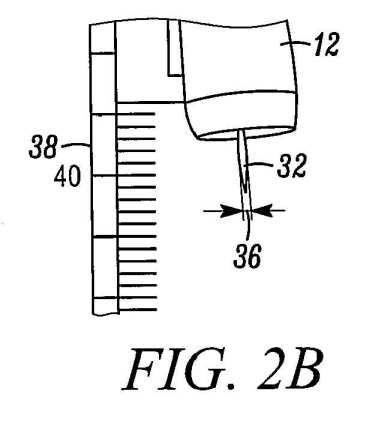
The invention comprises a plasma source that excites a gas (helium, argon, nitrogen, oxygen, air, water vapor, etc.) to produce a non-thermal atmospheric discharge. The brush is inserted into the cavity, where the plasma is applied for 10 seconds to 2 minutes. The treatment both disinfects Streptococcus mutans and alters the dentin surface, as shown by FTIR spectra, leading to a reported 60 % increase in bond strength of composite restorations. The device is powered electrically and can be used with standard dental adhesives and composite materials. Human clinical trials were slated to begin in early 2012, with a commercial target of 2013 pending FDA clearance.
Principles
- Cold atmospheric plasma
- Chemical surface activation
- Bond strength enhancement
Scientific Domains
Materials
- Helium
- Argon
- Nitrogen
- Oxygen
- Air
- Water vapor
Mechanisms of Action
- Plasma generated reactive species disinfect bacterial biofilm
- Plasma modifies surface functional groups on dentin/enamel
- Enhanced chemical bonding between adhesive and tooth structure
Energy Sources
Applications
- Dental cavity disinfection
- Improved restorative bonding
- Pain-free cavity preparation
Claimed Performance
Fillings were 60 % stronger after plasma treatment; treatment time <30 seconds; plasma temperature 10-50 deg C (~=35-39 deg C preferred).
Experimental Evidence
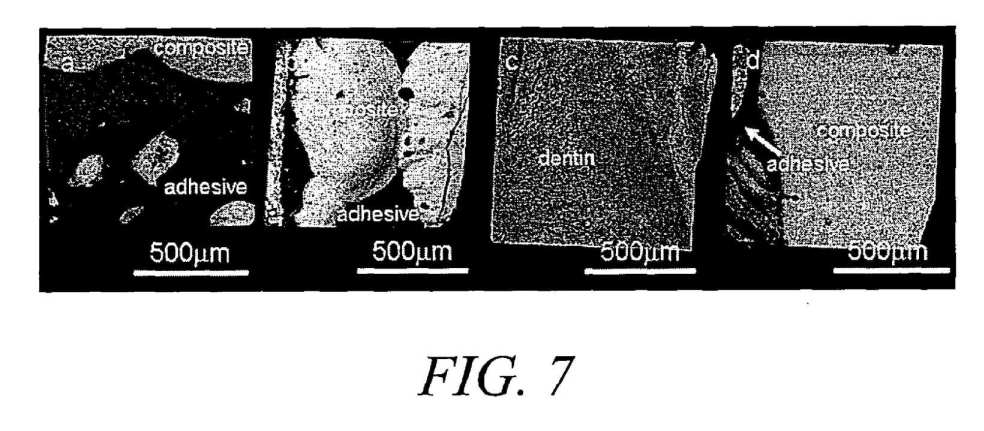
Lab trials showed FTIR spectral changes on dentin, reduced Streptococcus mutans survival, and SEM images of improved fracture interfaces; bond strength tests indicated a 60 % increase.
Replication Status
Human clinical trials underway (early 2012).
Limitations
- Requires gas supply and electrical power
- Device size and ergonomics for intra-oral use not fully demonstrated
- Regulatory (FDA) approval pending
Red Flags
- Strength improvement claim based on limited lab data without independent replication