Goal
Remove vehicle exhaust fumes before they leave the tailpipe by dissociating CO_2 and other pollutants in the exhaust stream.
Problem
Vehicle exhaust emissions (CO_2, hydrocarbons, and other greenhouse gases) and industrial exhaust pollutants.
Concept Summary
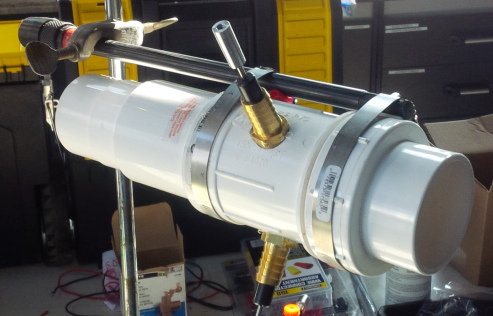
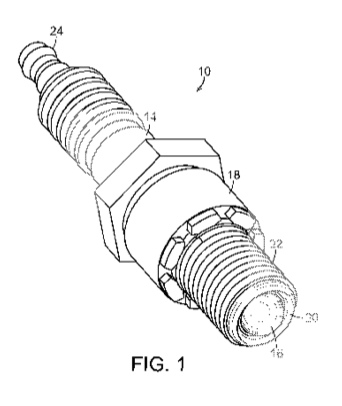
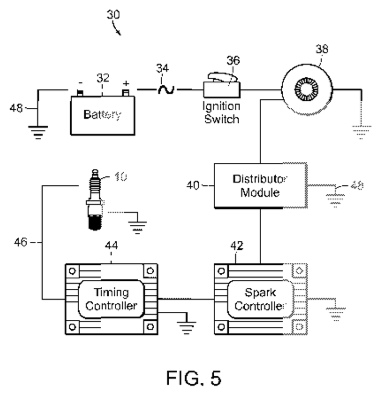
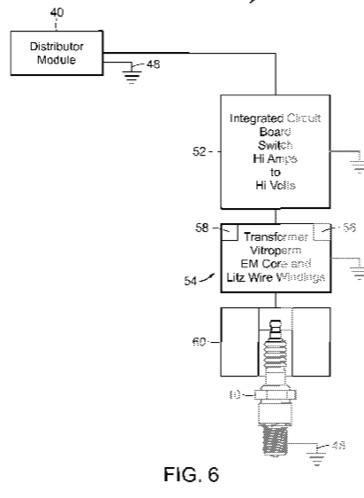
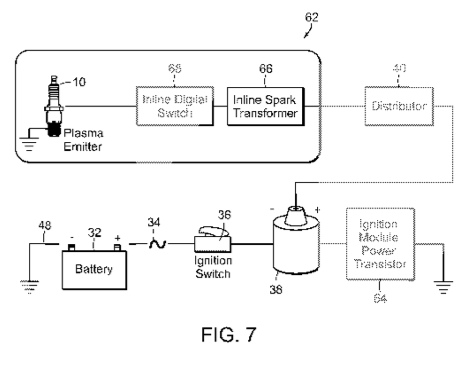
A compact, lightweight, low-cost plasma device installed in the exhaust system creates a high-frequency, high-voltage corona discharge ("fracturing field") inside a pulsating plasma chamber. The non-linear dissonant plasma field breaks the molecular bonds of CO_2 and other pollutants, converting them into harmless gases before they exit the tailpipe.
Detailed Description
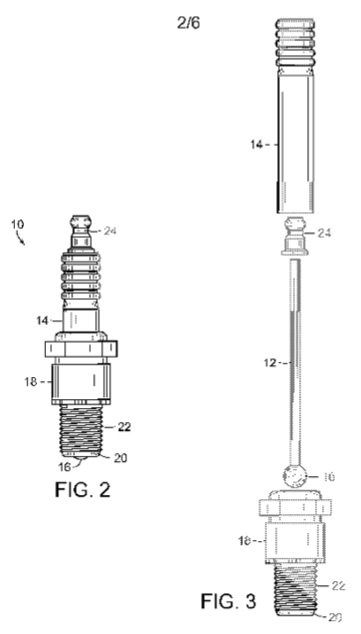
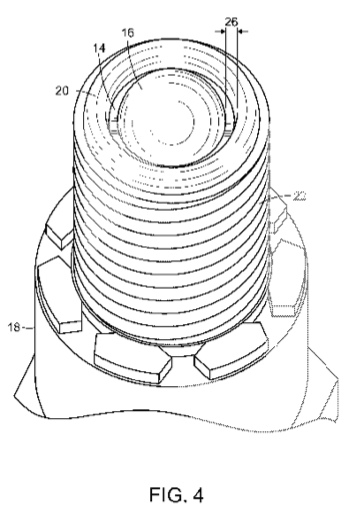
The system incorporates proprietary plasma-generating devices with high-speed switching circuits that produce a fracturing field inside a pulsating plasma chamber mounted in the exhaust pipe. The plasma chamber is energized by less than 20 amps of current, creating a non-linear dissonant field that dissociates CO_2 molecules with claimed 100 % efficiency. The device can be retrofitted to any internal combustion engine and adapted for use in refinery vents, incinerator stacks, and other exhaust sources. The underlying technology relies on high-voltage pulsed corona discharge, resonant harmonic excitation of CO_2, and rapid switching to maintain plasma density.
Principles
- Corona discharge
- Non-linear dissonance
- Fracturing field
- High-frequency pulsed plasma
Scientific Domains
Materials
- Boron nitride ceramic
- Thorium-alloyed tungsten
- Titanium
- Beryllium-alloyed copper
- Vanadium-alloyed copper
Mechanisms of Action
- High-voltage pulsed corona discharge creates energetic plasma
- Plasma induces molecular dissociation of CO_2 and pollutants
- Resonant harmonic excitation disrupts molecular spin polarity
Energy Sources
Applications
- Vehicle emission reduction
- Industrial exhaust cleaning
- Refinery vent treatment
- Incinerator stack emissions control
Claimed Performance
Virtually 100 % CO_2 dissociation efficiency; eliminates all exhaust fumes; operates on <20 A; supports up to 75 kV at 7.5 A; improves combustion efficiency when used as plasma ignition plug.
Experimental Evidence
Successful testing of the Corona Discharge Gas Plasma Disassociation System with claimed virtual 100 % dissociation efficiency; laboratory demonstrations of high-voltage pulsed plasma achieving the stated performance.
Replication Status
Prototype tested successfully; no independent replication reported.
Limitations
- Requires high-voltage power supply
- Retrofit may be needed for existing exhaust systems
- Performance claims not independently verified
Red Flags
- Extraordinary claim of near-100 % CO_2 dissociation without peer-reviewed data
- Lack of independent replication or third-party testing