Goal
Convert solar and stellar electromagnetic radiation into electrical energy with high efficiency, independent of weather conditions.
Problem
Limited efficiency and weather dependence of conventional solar panels; need for continuous renewable power generation.
Concept Summary
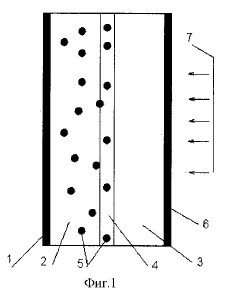
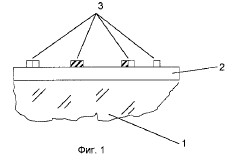
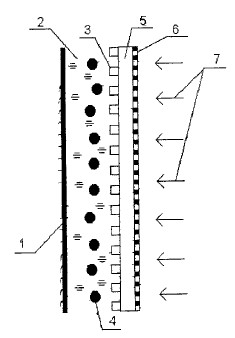
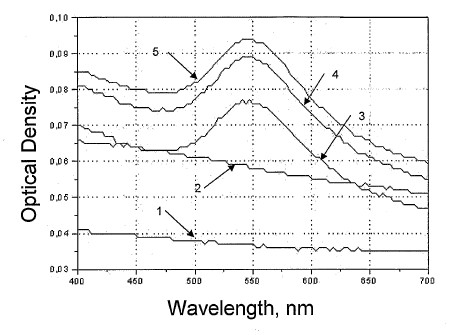
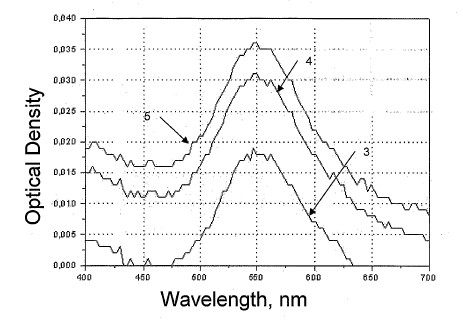
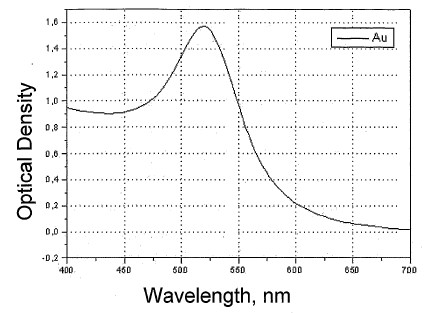
A heterogeneous photovoltaic device that incorporates metal nanoparticles (e.g., silver) into the photosensitive layer of a p-n junction. The nanoparticles are sized to exhibit plasmon resonance at the incident light wavelength, enhancing light absorption and conversion efficiency. The material is described as a heteroelectric substance capable of operating continuously (24 h) and harvesting both solar and stellar light.
Principles
- Photovoltaic effect
- Plasmon resonance of metal nanoparticles
- Heterogeneous (heteroelectric) material design
- Carrier-active ingredient interaction
Scientific Domains
Materials
- Silver nanoparticles
- Other metal nanoparticles
- Semiconductor p-n junction layers
- Silicon oxide matrix
- Glass substrate
- Transparent conductive oxide layer
- Metal plate
Mechanisms of Action
- Metal nanoparticle plasmon resonance increases optical absorption
- Nanoparticles distributed within a carrier matrix alter local electric field
- Standard p-n junction converts absorbed photons to electric current
Energy Sources
Applications
- Renewable energy generation
- Off-grid power supply
- Spacecraft power systems
Claimed Performance
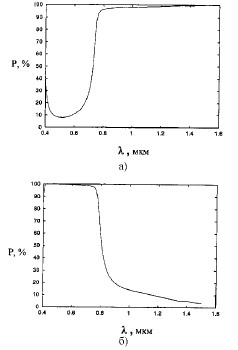
Conversion efficiency up to 60-70 % at resonant frequency; twice as effective as ordinary solar panels; continuous operation 24 h.
Experimental Evidence
Scientists reported creation of a new substance allowing a battery to work independently of meteorological conditions, capturing solar and stellar energy, and being twice as effective as an ordinary solar panel.
Limitations
- Lack of independent, peer-reviewed data
- Complexity of uniform nanoparticle distribution
- Performance may be wavelength-specific
Red Flags
- Extraordinary claim of harvesting stellar energy without quantitative evidence
- No disclosed independent replication or peer-reviewed testing