Goal
Remove radioactive ions from contaminated water and safely store the concentrated waste.
Problem
Radioactive contamination of water from nuclear accidents and waste streams.
Concept Summary
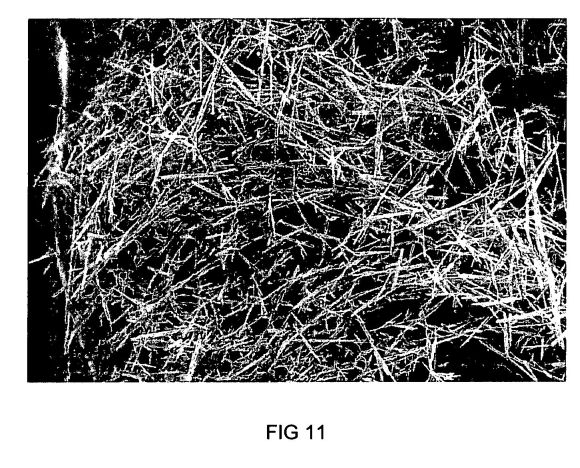
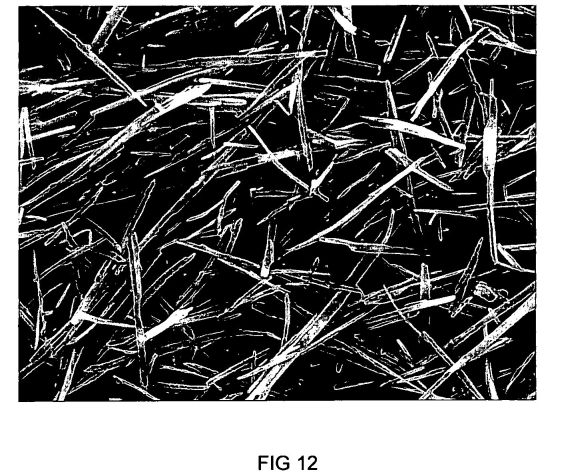
A nanostructured absorbent made from titanate nanofibres and nanotubes, optionally coated with silver-oxide nanocrystals, traps Cs^+ and I^- ions through ion-exchange and structural change mechanisms, allowing high-flux purification of large volumes of water.
Detailed Description
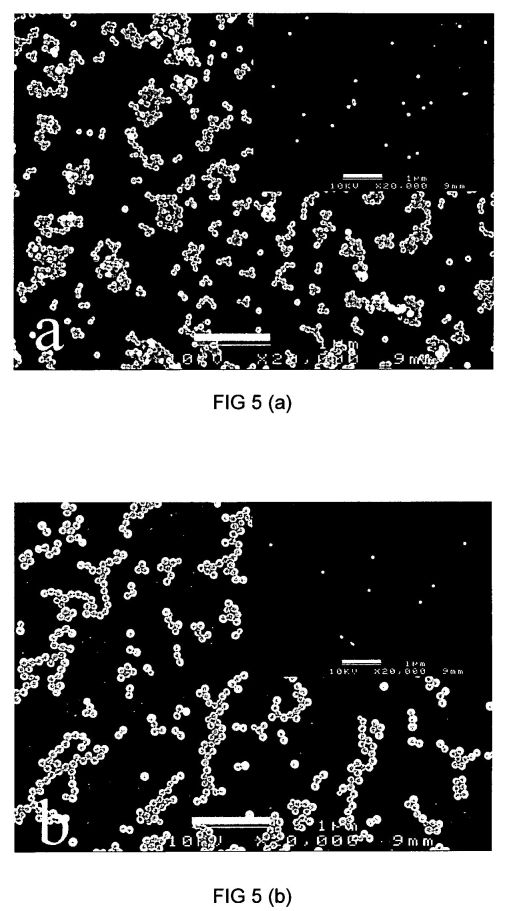
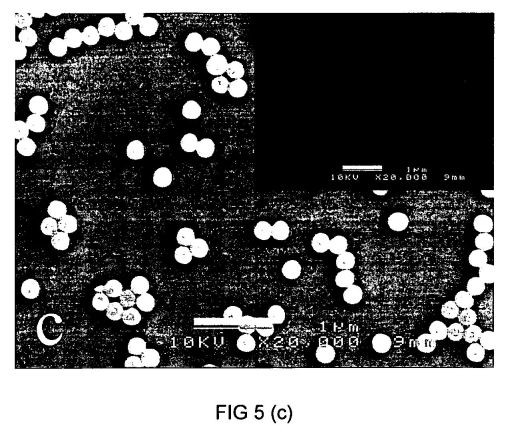
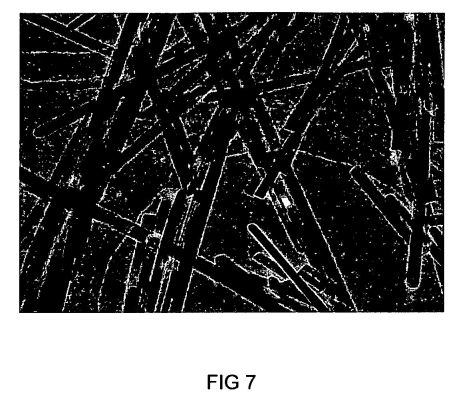
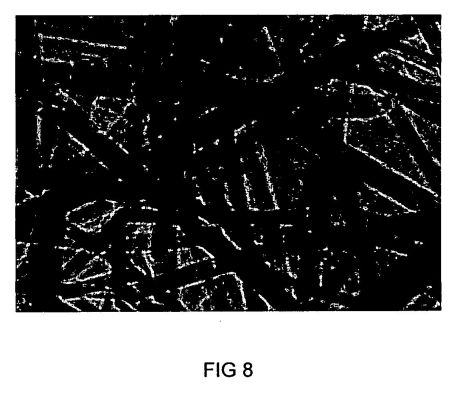
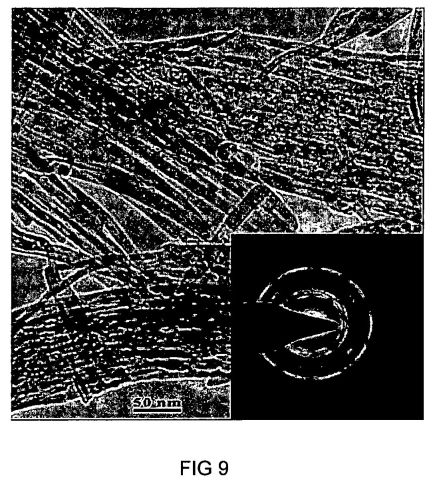
The technology uses titanium-based nanofibres/nanotubes that present a high surface area and specific binding sites for cesium ions. When contaminated water passes through the fine nanotubes, a structural change in the titanate lattice locks the Cs^+ ions. Adding silver-oxide nanocrystals to the outer surface enables capture and immobilisation of radioactive iodine (I^-) ions. The absorbent can be safely disposed after use because the trapped radionuclides remain immobilised even if the material becomes wet. Laboratory claims state that one gram of the nanofibres can purify at least one tonne of polluted water, reducing the volume of hazardous water requiring storage.
Principles
- Ion exchange
- Adsorption on nanostructured surfaces
- Structural trapping of ions
Scientific Domains
Materials
- Titanium dioxide (TiO_2) nanofibres
- Aluminium oxide (Al_2O_3) nanofibres
- Silver oxide (Ag_2O) nanocrystals
Mechanisms of Action
- Adsorption of Cs^+ ions onto titanate nanofibres via ion-exchange
- Structural change in titanate lattice that immobilises trapped ions
- Silver-oxide nanocrystals bind I^- ions through surface adsorption
Applications
- Nuclear waste cleanup
- Medical isotope handling
- Mining water treatment
Claimed Performance
One gram of the nanofibres can effectively purify at least one tonne of polluted water.
Experimental Evidence
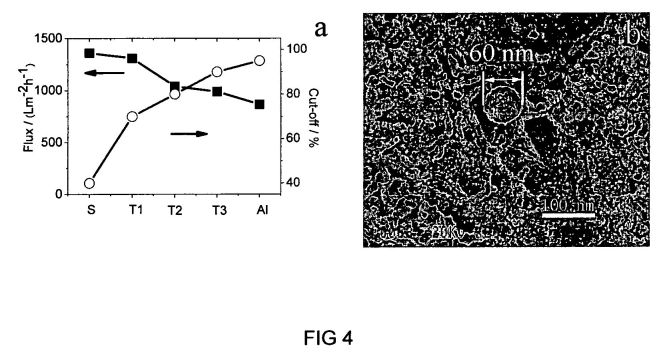
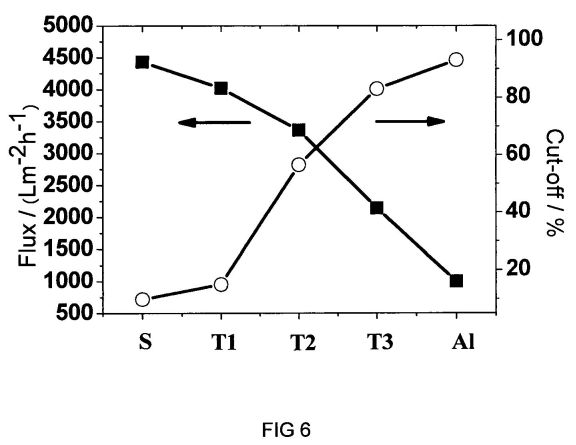
The article reports laboratory-scale tests stating the 1 g -> 1 tonne purification ratio, but provides no quantitative flux or selectivity data.
Limitations
- Scalability not demonstrated beyond laboratory scale
- Performance data limited to qualitative statements
- Disposal of spent absorbent still requires safe handling