Goal
Accelerate wound healing and reduce dressing changes by providing low-cost, portable negative-pressure therapy in disaster and low-resource settings.
Problem
Existing NPWT systems are heavy, expensive, and require electrical power, limiting their use in disaster zones and developing-world clinics.
Concept Summary
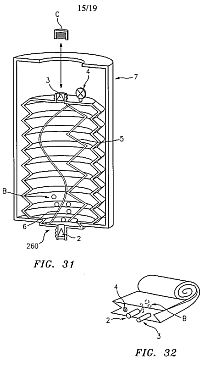
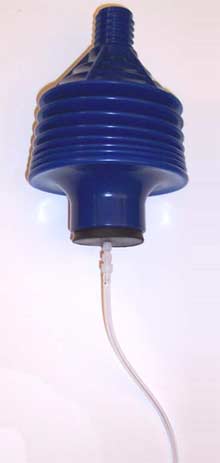
A hand-operated bellows pump (<0.5 lb) creates continuous negative pressure over a wound dressing. An improved airtight seal reduces air leaks, cutting power demand from ~14 W to ~80 uW, allowing the device to be powered solely by manual compression.
Detailed Description
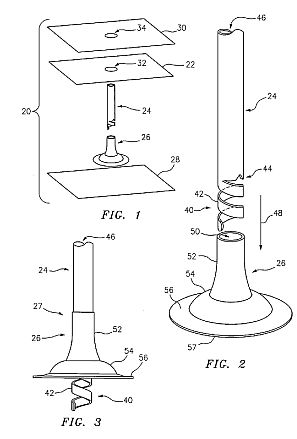
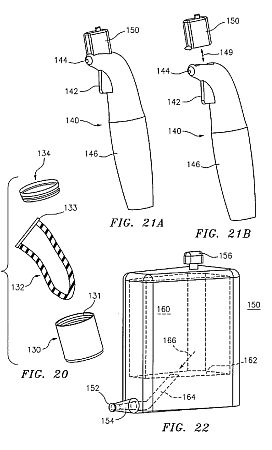
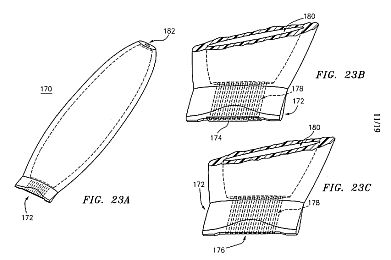
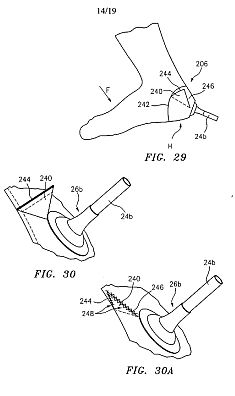
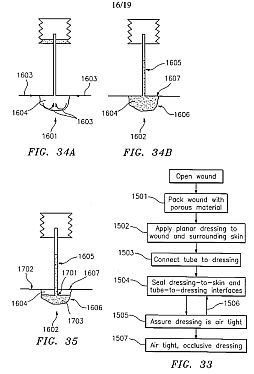
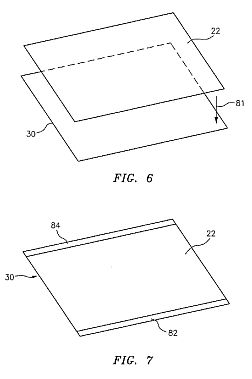
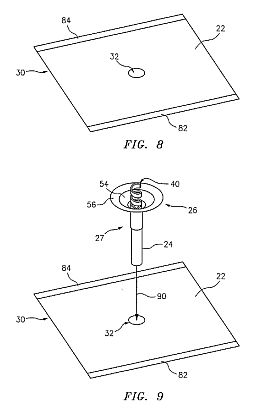
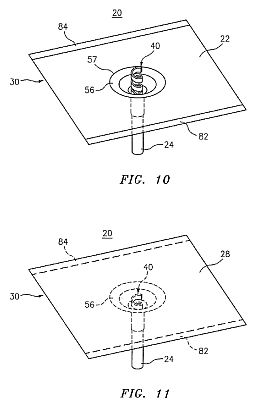
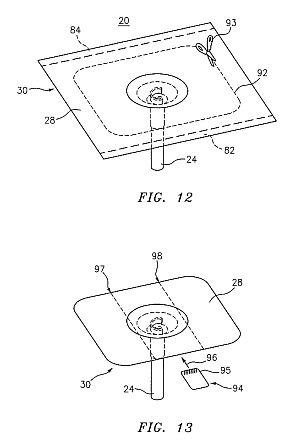
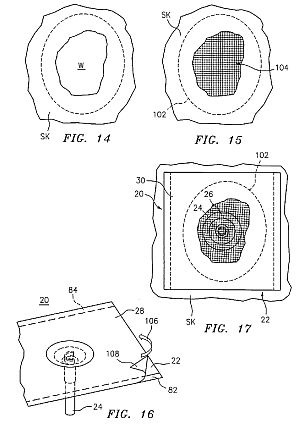
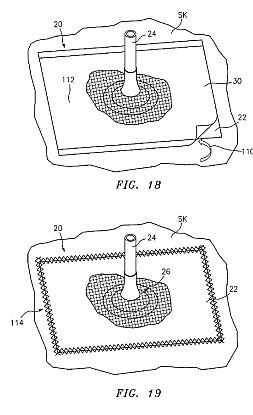
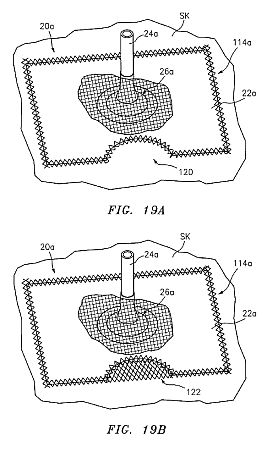
The device consists of a simple bellows pump that is manually compressed to generate vacuum. A sponge is placed on the cleaned wound, covered with a plastic seal, and a tube connects the seal to the pump. The pump is housed in a lightweight casing and can be re-charged by hand as needed. The seal around the dressing and tube is reinforced with an elastomeric drape and a liquid cross-linked component to minimize air leakage. In field trials in Haiti, the device remained functional for days without re-charging and was reported to keep wounds cleaner and reduce dressing-change frequency.
Principles
- Negative-pressure (vacuum) therapy
- Mechanical hand-pump operation
- Air-tight sealing to minimize leaks
Scientific Domains
Materials
- Rubber/plastic bellows
- Medical sponge (non-adhesive dressing)
- Elastomeric drape (occlusive film)
- Liquid cross-linked sealant
- Plastic tube
- Adhesive tape
Mechanisms of Action
- Removal of wound exudate and bacteria via suction
- Reduction of edema
- Increased local blood perfusion
- Mechanical approximation of wound edges
Energy Sources
Applications
- Disaster relief wound care
- Home therapy for chronic wounds
- Low-resource clinics in developing countries
Claimed Performance
Device costs ~= $3, weighs < 0.5 lb, and reduces power requirement from ~14 W to ~80 uW using a hand pump. Reported to keep wounds cleaner and cut dressing-change frequency.
Experimental Evidence
Field use on eight patients in Haiti showed the device remained charged for days, kept wounds cleaner, and reduced the need for frequent dressing changes. No quantitative healing-rate data were collected.
Replication Status
No independent replication reported; a larger trial in Rwanda is planned.
Limitations
- No quantitative clinical efficacy data
- Small sample size (8 patients)
- Seal integrity critical; leaks increase manual effort
- Manual pumping may be tiring for prolonged use